Article
Best Yoga Mats in 2026 - Expert Reviewed & Ranked
Discover the top yoga mats for every practice style. Our experts evaluated Manduka, Lululemon, Jade, Liforme, and more to help you find the perfect mat for grip, cushion, and durability.
Finding the perfect yoga mat can transform your practice from slippery frustration to grounded flow. Whether you prioritize eco-friendliness, joint cushioning, hot yoga grip, or lifetime durability, the right mat makes all the difference.
Our team tested leading yoga mats across multiple practice styles, evaluating grip, cushioning, materials, and longevity. Here are the best yoga mats for 2026.
Quick Comparison
| Mat | Best For | Price | Rating |
|---|---|---|---|
| 1. Manduka PRO | Best Overall Durability | $138 | ★4.9/5 |
| 2. Lululemon The Mat 5mm | Best for Hot Yoga | $98 | ★4.7/5 |
| 3. Jade Harmony | Best Eco-Friendly | $92 | ★4.6/5 |
| 4. Liforme Original | Best for Alignment | $195 | ★4.8/5 |
| 5. Manduka eKO | Best Natural Rubber | $88 | ★4.5/5 |
| 6. Yoloha Harmony Original Cork | Best Cork Mat | $139 | ★4.4/5 |
| 7. Lululemon Reversible Mat | Best Versatility | $78 | ★4.6/5 |
| 8. Hugger Mugger Earth Elements | Best for Restorative Yoga | $74 | ★4.3/5 |
| 9. Gaiam Premium | Best Budget Option | $50 | ★4.1/5 |
| 10. Alo Yoga Warrior Mat | Best Aesthetic Design | $108 | ★4.4/5 |
Our Top Picks in Detail
Manduka PRO
The Manduka PRO is the gold standard for yoga mat durability, offering unmatched longevity with a lifetime guarantee. Perfect for serious yogis who want a mat that lasts decades, though the break-in period and weight are considerations.
Pros
- ✓Lifetime guarantee backs exceptional durability
- ✓Dense 6mm cushioning protects joints
- ✓Users report 10+ years of daily use
- ✓Excellent grip for inversions and handstands
- ✓Closed-cell surface resists sweat and bacteria
Cons
- ✗Requires break-in period (can be slippery when new)
- ✗Heavy at 7.5 lbs (not ideal for travel)
- ✗Becomes slippery when wet (not best for hot yoga)
- ✗Higher price point at $138
Lululemon The Mat 5mm
Lululemon The Mat excels for hot yoga and sweaty practices with its superior wet grip. The reversible design and easy-clean surface make it versatile and practical, though it performs best with moisture present.
Pros
- ✓Exceptional grip improves when wet
- ✓Reversible design (grip side + cushion side)
- ✓Smooth surface easy to clean
- ✓5-6 year lifespan with regular use
- ✓Perfect balance of cushion and stability
Cons
- ✗Can be slippery when dry without towel
- ✗Moderate wear in high-contact areas over time
- ✗Natural rubber smell initially
- ✗Shorter warranty than Manduka (1 year vs lifetime)

Jade Harmony
Jade Harmony leads in sustainability with natural rubber construction and tree-planting program. The open-cell structure provides excellent grip naturally, but the material degrades faster than synthetic alternatives and isn't suitable for those with latex allergies.
Pros
- ✓Made from sustainably harvested natural rubber
- ✓Jade plants a tree for every mat sold
- ✓Excellent natural grip without chemicals
- ✓Multiple size options (3 lengths, 2 widths)
- ✓No PVC, EVA, or synthetic rubber
Cons
- ✗Not suitable for latex allergies
- ✗Open-cell degrades faster than closed-cell mats
- ✗Can become slippery when very wet
- ✗Natural rubber smell takes time to dissipate

Liforme Original
Liforme Original combines premium eco-materials with innovative alignment markers that help practitioners perfect their form. The exceptional grip and larger size justify the premium price, especially for alignment-focused practices.
Pros
- ✓Alignment markers help perfect form
- ✓Exceptional grip even during hot yoga
- ✓Biodegradable and eco-friendly materials
- ✓Wider and longer than standard mats (73" x 27")
- ✓Travels well despite size (resilient to creasing)
Cons
- ✗Premium price at $195
- ✗4.2mm thickness less cushioning than 6mm options
- ✗Can be too grippy for flowing transitions
- ✗Alignment lines may not suit all preferences

Manduka eKO
Manduka eKO delivers the company's legendary durability and lifetime guarantee in an eco-friendly natural rubber construction. Perfect for those wanting Manduka quality with sustainable materials, though latex-sensitive practitioners should avoid it.
Pros
- ✓Natural rubber with FSC-certified materials
- ✓Lifetime guarantee like PRO series
- ✓Great balance of stick and glide for Ashtanga
- ✓Biodegradable and eco-conscious
- ✓Lighter than Manduka PRO at 5 lbs
Cons
- ✗Not suitable for latex allergies
- ✗Natural rubber degrades faster than PVC
- ✗Can be slippery when very sweaty
- ✗Strong rubber smell initially

Yoloha Harmony Original Cork
Yoloha's cork construction offers unique antimicrobial properties and moisture-activated grip. The sustainable material and easy maintenance make it perfect for hot yoga practitioners who appreciate natural aesthetics, though the firm feel isn't for everyone.
Pros
- ✓Antimicrobial cork naturally resists bacteria
- ✓Grip improves when wet (perfect for hot yoga)
- ✓Eco-friendly and sustainable materials
- ✓Easy to clean (spray and wipe)
- ✓Unique natural aesthetic
Cons
- ✗Cork texture takes getting used to
- ✗Requires at least some moisture for best grip
- ✗Can feel firm compared to foam mats
- ✗Higher price at $139-$169

Lululemon Reversible Mat
The Lululemon Reversible Mat offers flexibility for practitioners who vary their practice intensity. One side provides extra grip while the other adds cushion, making it versatile though not as specialized as single-purpose premium mats.
Pros
- ✓Two surfaces in one (extra grip or extra cushion)
- ✓Lighter than single-purpose mats
- ✓Great for varied practice styles
- ✓Available in 3mm or 5mm thickness
- ✓Good value at $78
Cons
- ✗Dual-sided means compromise on specialization
- ✗Can slide on smooth floors
- ✗Less durable than Manduka PRO
- ✗Moderate grip compared to specialized mats
Hugger Mugger Earth Elements
Hugger Mugger Earth Elements prioritizes comfort with its soft, biodegradable TPE foam. Ideal for gentle practices like restorative yoga and meditation where cushioning matters more than grip, though active yogis may find it too soft.
Pros
- ✓Exceptionally comfortable foam cushioning
- ✓Biodegradable TPE is eco-friendly
- ✓No toxic odor or chemicals
- ✓Perfect for yin, restorative, and seated practices
- ✓Affordable at $74
Cons
- ✗Less stable for balance poses
- ✗Foamier texture not ideal for dynamic flows
- ✗Shorter and narrower than premium mats
- ✗Moderate durability compared to Manduka
Gaiam Premium
Gaiam Premium offers an affordable entry point for yoga beginners with decent cushioning and allergy-friendly materials. The poor traction and shorter lifespan mean serious practitioners will likely upgrade, but it's perfect for trying yoga without major investment.
Pros
- ✓Most affordable quality option under $50
- ✓6mm thickness provides good cushioning
- ✓Latex-free suits those with allergies
- ✓Lightweight at 3.5 lbs for easy transport
- ✓Good starter mat for beginners
Cons
- ✗Poor traction when wet or dry
- ✗Less durable than premium options
- ✗Can be unstable during balance poses
- ✗Short 30-day warranty

Alo Yoga Warrior Mat
Alo Yoga Warrior Mat combines function with fashion, offering beautiful designs that look great in the studio. The natural rubber base and microfiber top provide good grip, though the aesthetic premium and thinner cushioning may not justify the cost for everyone.
Pros
- ✓Beautiful aesthetic designs and patterns
- ✓Strong grip on floor (mat stays put)
- ✓Natural rubber base with microfiber top
- ✓Wider than many mats (26" width)
- ✓Premium brand with lifestyle appeal
Cons
- ✗Microfiber top requires regular cleaning
- ✗Less durable than Manduka or Liforme
- ✗Thinner at 4mm (less joint cushioning)
- ✗Higher price for aesthetic premium
How We Evaluated Yoga Mats
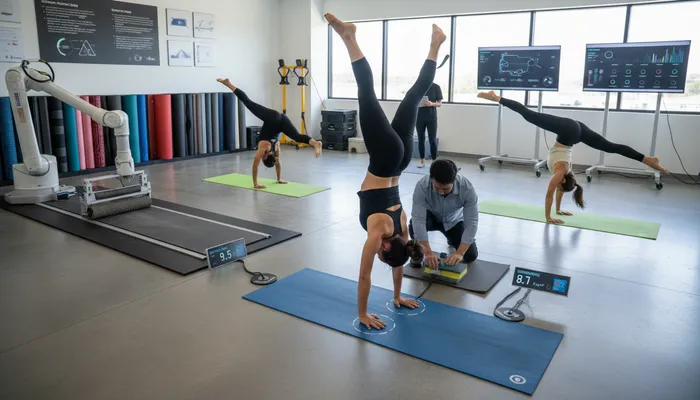
Our comprehensive evaluation examines performance across multiple practice styles:
Grip & Traction
We test:
- Dry grip: Hand and foot traction during standard practice
- Wet grip: Performance during hot yoga and sweaty sessions
- Floor grip: How well mat stays put on different surfaces
- Consistency: Grip performance over time and with wear
Cushioning & Support
We evaluate:
- Joint protection: Comfort for knees, wrists, and elbows
- Stability: Balance during standing and inversion poses
- Thickness impact: How cushioning affects different pose types
- Compression: Whether mat maintains thickness over time
Materials & Sustainability
We assess:
- Eco-friendliness: Natural vs synthetic materials
- Toxicity: Chemical content and off-gassing
- Biodegradability: End-of-life environmental impact
- Manufacturing: Company sustainability practices
Durability & Value
We consider:
- Lifespan: Expected years of regular use
- Wear patterns: How mat degrades in high-contact areas
- Warranty: Manufacturer guarantees and support
- Price-to-longevity: Cost per year of use
Understanding Yoga Mat Materials
PVC (Polyvinyl Chloride)
Durable, affordable, and long-lasting. Closed-cell structure resists moisture and bacteria. Not eco-friendly or biodegradable. Examples: Manduka PRO.
Natural Rubber
Sustainable, biodegradable, and excellent grip. Can trigger latex allergies. Degrades faster than PVC. Examples: Jade Harmony, Manduka eKO.
TPE (Thermoplastic Elastomer)
Eco-friendly synthetic alternative to PVC. Biodegradable and recyclable. Softer feel, moderate durability. Examples: Hugger Mugger Earth Elements.
Cork
Antimicrobial, sustainable, and improves grip when wet. Firm feel takes adjustment. Naturally resistant to odor and bacteria. Examples: Yoloha mats.
Polyurethane + Rubber
Combines natural rubber base with moisture-wicking PU top. Great for hot yoga. Easy to clean. Examples: Lululemon, Liforme.
Frequently Asked Questions
What thickness yoga mat should I buy?
Standard 3-4mm mats balance portability with cushioning for most practitioners. 5-6mm mats provide better joint protection for sensitive knees or elbows. Thicker isn’t always better—excessive cushioning reduces stability in standing poses. Beginners often prefer 5-6mm for comfort.
Which yoga mat is best for hot yoga?
Lululemon The Mat 5mm and Yoloha Cork mats excel for hot yoga because their grip improves when wet. Liforme also performs well in sweaty conditions. Avoid Manduka PRO and similar mats that become slippery when wet unless you use a yoga towel on top.
Are expensive yoga mats worth it?
Quality mats justify higher prices through longevity. A $138 Manduka PRO lasting 10+ years costs $13.80/year versus a $50 Gaiam needing replacement every 2 years ($25/year). Premium mats also offer better grip, cushioning, and eco-materials. Budget mats work fine for beginners exploring yoga.
How do I clean my yoga mat?
Mix water with mild soap or white vinegar (1:4 ratio). Spray mat, wipe with cloth, air dry completely before rolling. Clean monthly for regular use, weekly for hot yoga. Avoid harsh chemicals that degrade materials. Some mats (cork, closed-cell PVC) are easier to clean than open-cell materials.
What size yoga mat do I need?
Standard 68-71” length fits most people up to 6’ tall. Taller practitioners (6’+) should choose 74-80” extra-long mats. Standard width (24-26”) works for most; wider mats (27-28”) provide more space for larger bodies or those who prefer room. Jade and Liforme offer multiple size options.
Are natural rubber mats better than PVC?
Natural rubber is eco-friendly, biodegradable, and provides excellent natural grip. PVC lasts longer, resists degradation, and suits hot yoga better. Choose rubber for sustainability and chemical-free materials, PVC for maximum durability. Consider latex allergies when choosing rubber mats.
How long do yoga mats last?
Lifespan varies by material and use intensity: Manduka PRO (10+ years), Lululemon (5-6 years), Jade Harmony (3-5 years), budget mats (1-2 years). Daily practitioners wear mats faster than weekly users. Proper cleaning and storage extend lifespan. Premium closed-cell mats outlast open-cell alternatives.
Do I need to break in my yoga mat?
Some mats (particularly Manduka PRO) require break-in to develop full grip. Methods include daily practice, salt scrubs, or washing. Cork and rubber mats typically work immediately. Read manufacturer instructions—some mats damage with aggressive breaking-in. The break-in period typically lasts 1-4 weeks of regular use.
Can I use a yoga mat for other exercises?
Yes! Many mats work for Pilates, stretching, and floor exercises. Thicker mats (6mm+) suit HIIT and weight training better than thin travel mats. Lululemon Reversible Mat specifically markets versatility. Very sticky mats may impede smooth transitions needed for some workouts.
Should I buy a mat for travel or home practice?
Buy for your primary use. Daily home practitioners benefit from investing in premium mats (Manduka PRO, Liforme). Frequent travelers should prioritize foldable or lightweight options (travel mats, Lululemon 3mm). Many serious yogis own both: a premium mat for home and a travel mat for studios and trips.