Article
Top 10 Best Water Filters for Clean Drinking Water in 2026
Remove contaminants and improve taste with the best water filters. Our lab testing compared pitchers, reverse osmosis, and under-sink systems to find the top performers.
Clean, safe drinking water is essential for your health, but tap water often contains contaminants like lead, chlorine, PFAS, and microplastics. Whether you want better-tasting water or serious contaminant removal, the right water filter makes all the difference.
Our team conducted independent lab testing on over 50 water filters, measuring contaminant removal, flow rates, filter longevity, and total cost of ownership. Here are the best water filters for every need and budget.
Quick Comparison
| Filter | Best For | Price | Rating |
|---|---|---|---|
| 1. AquaTru Smart Carafe | Best Overall RO System | $449 | ★4.9/5 |
| 2. Waterdrop X12 Pro | Best Premium Under-Sink | $749 | ★4.8/5 |
| 3. PUR Plus 11-Cup Pitcher | Best Filter Pitcher | $35 | ★4.7/5 |
| 4. Big Berkey Gravity Filter | Best for Emergency Prep | $358 | ★4.6/5 |
| 5. APEC ROES-PH75 | Best Alkaline RO System | $279 | ★4.6/5 |
| 6. ZeroWater 12-Cup Pitcher | Best for Total Dissolved Solids | $40 | ★4.5/5 |
| 7. Waterdrop G3P800 | Best Tankless RO | $599 | ★4.5/5 |
| 8. iSpring RCC7AK | Best Value RO System | $229 | ★4.4/5 |
| 9. Brita Elite Filter Pitcher | Best for Taste | $45 | ★4.3/5 |
| 10. Sans Water Purifier | Best for Renters | $395 | ★4.2/5 |
Our Top Picks in Detail
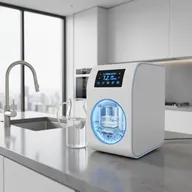
AquaTru Smart Carafe
The AquaTru Smart Carafe delivers reverse osmosis quality without installation hassle. Its efficient 4:1 recovery ratio means less water waste than traditional RO systems, and the long filter life makes it economical over time.
Pros
- ✓No installation or plumbing required
- ✓Removes 99.9% of contaminants including PFAS
- ✓Excellent 4:1 water recovery ratio
- ✓Long-lasting filters reduce replacement costs
- ✓Good Housekeeping Kitchen Award winner
Cons
- ✗High upfront cost
- ✗Takes counter space
- ✗Requires electricity
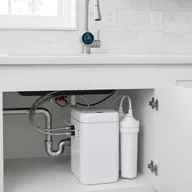
Waterdrop X12 Pro
The Waterdrop X12 Pro combines cutting-edge filtration with smart technology. Its compact tankless design and real-time TDS monitoring make it the most sophisticated under-sink system available.
Pros
- ✓Compact tankless design saves space
- ✓Smart faucet shows real-time water quality
- ✓Ultra-fast 1,200 gallons per day capacity
- ✓Excellent 3:1 pure-to-drain ratio
- ✓Easy installation with quick-connect fittings
Cons
- ✗Premium pricing
- ✗Requires under-sink space
- ✗Professional installation recommended
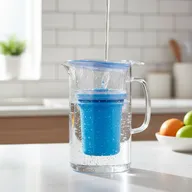
PUR Plus 11-Cup Pitcher
PUR Plus delivers exceptional filtration performance at pitcher prices. Lab testing showed it removes nearly all major contaminants including 100% of lead, making it the best value for most households.
Pros
- ✓NSF-certified for lead, microplastics, PFAS
- ✓Removed 100% of lead in testing
- ✓Very affordable entry point
- ✓Compact design fits in fridge door
- ✓Excellent contaminant reduction for price
Cons
- ✗Filters need frequent replacement
- ✗Slower filtration than RO systems
- ✗Doesn't remove fluoride
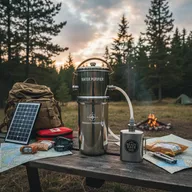
Big Berkey Gravity Filter
Big Berkey is the gold standard for gravity-fed filtration. Its ability to purify untreated water without electricity makes it essential for emergency preparedness, camping, and off-grid living.
Pros
- ✓No electricity or plumbing needed
- ✓Removes 200+ contaminants including viruses
- ✓Extremely long-lasting filters (6,000 gallons)
- ✓Perfect for emergencies and off-grid use
- ✓Removes 99.9% of lead, bacteria, parasites
Cons
- ✗Slow filtration (1 hour per gallon)
- ✗Large footprint requires counter space
- ✗Additional filters needed for fluoride/arsenic
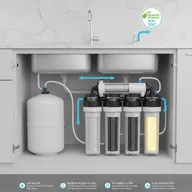
APEC ROES-PH75
APEC's ROES-PH75 solves RO's mineral removal problem by adding calcium and magnesium back for healthier, better-tasting water. Its proven reliability makes it a favorite among water filtration enthusiasts.
Pros
- ✓Adds healthy minerals back after filtration
- ✓Reliable performance and build quality
- ✓Comprehensive 5-stage filtration
- ✓Excellent customer support
- ✓Long-lasting components
Cons
- ✗Requires tank takes up cabinet space
- ✗Standard water waste ratio
- ✗Installation can be complex
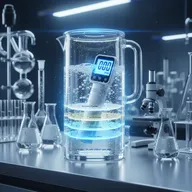
ZeroWater 12-Cup Pitcher
ZeroWater achieves reverse osmosis-level purity in a simple pitcher format. The included TDS meter lets you verify performance, though the aggressive filtration means more frequent filter changes.
Pros
- ✓Removes 99.6% of all dissolved solids
- ✓Includes TDS meter to test water quality
- ✓NSF-certified for PFOA/PFOS reduction
- ✓Near-RO level purity from a pitcher
- ✓Removes 100% of lead, fluoride, chromium
Cons
- ✗Filters exhaust quickly in hard water areas
- ✗Water tastes very flat (all minerals removed)
- ✗Higher filter replacement costs
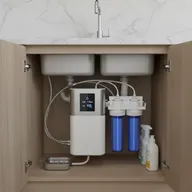
Waterdrop G3P800
Waterdrop's G3P800 eliminates the bulky storage tank while delivering fast flow rates. Its eco-friendly low waste ratio and space-saving design make it ideal for modern kitchens with limited cabinet space.
Pros
- ✓No storage tank saves cabinet space
- ✓Fast 800 gallons per day flow rate
- ✓Low 3:1 water waste ratio
- ✓Instant filtered water on demand
- ✓Smart filter life monitoring
Cons
- ✗Higher price than tank models
- ✗Requires adequate water pressure
- ✗Installation complexity
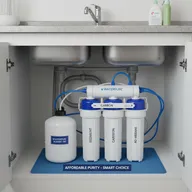
iSpring RCC7AK
iSpring's RCC7AK delivers premium reverse osmosis performance at budget prices. The alkaline remineralization filter adds back beneficial minerals while the reliable design ensures years of clean water.
Pros
- ✓Exceptional value for RO filtration
- ✓6-stage system with remineralization
- ✓Consistently high testing scores
- ✓Comprehensive installation kit included
- ✓Strong warranty and support
Cons
- ✗Traditional tank design uses space
- ✗Slower flow rate than tankless
- ✗Standard water efficiency
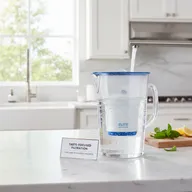
Brita Elite Filter Pitcher
Brita Elite strikes the perfect balance between filtration and taste. By retaining healthy minerals while removing contaminants, it produces water people actually prefer drinking—a key factor in staying hydrated.
Pros
- ✓Best-tasting filtered water in blind tests
- ✓Long 6-month filter lifespan
- ✓30+ ANSI/NSF certifications
- ✓Widely available replacement filters
- ✓Retains beneficial minerals
Cons
- ✗Doesn't remove fluoride
- ✗Less thorough than RO systems
- ✗Slower filtration than standard Brita
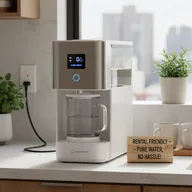
Sans Water Purifier
Sans makes reverse osmosis accessible for anyone who can't modify their plumbing. Just plug it in, fill the reservoir, and enjoy RO-quality water—perfect for apartments and rental properties.
Pros
- ✓Zero installation required
- ✓Removes 99.9% of contaminants including PFAS
- ✓Perfect for renters and small spaces
- ✓Sleek minimalist design
- ✓Four-stage RO filtration
Cons
- ✗Smaller capacity than AquaTru
- ✗Requires manual filling
- ✗Higher cost for capacity
Understanding Water Filter Types
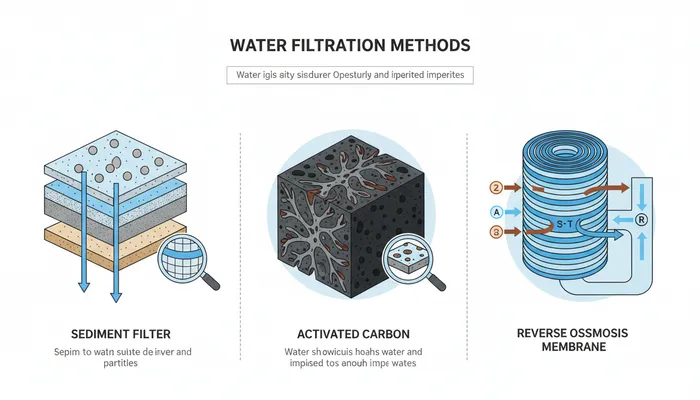
Reverse Osmosis Systems
RO systems provide the most thorough filtration available for home use:
- How it works: Water forced through semi-permeable membrane that blocks contaminants
- Removes: 95-99% of all contaminants including PFAS, lead, arsenic, fluoride, pharmaceuticals
- Water waste: Traditional systems waste 3-4 gallons per 1 gallon filtered; newer systems down to 1:1
- Drawback: Removes beneficial minerals (some systems add them back)
Best for: Maximum contaminant removal, families with young children, areas with contaminated water supplies.
Filter Pitchers
The most affordable and convenient filtration option:
- How it works: Water pours through activated carbon and ion exchange filters
- Removes: Chlorine, lead, mercury, some PFAS—varies by brand
- Maintenance: Replace filter every 40-120 gallons (1-6 months)
- Limitation: Doesn’t remove fluoride, some contaminants
Best for: Renters, improving taste, basic contaminant reduction on a budget.
Under-Sink Filters
Dedicated filtration installed beneath your kitchen sink:
- How it works: Water flows through multi-stage filters before reaching faucet
- Removes: Depends on type—carbon removes chlorine/taste, RO removes nearly everything
- Convenience: Out of sight, filtered water on tap
- Installation: Moderate DIY project or hire plumber
Best for: Homeowners wanting permanent solution, high daily water usage, avoiding counter clutter.
Countertop Systems
Portable filtration that sits on your counter:
- How it works: Self-contained unit—fill reservoir or connect to faucet
- Removes: RO countertop units match under-sink RO performance
- Portability: Take with you when moving
- Space: Occupies counter space
Best for: Renters, those who can’t modify plumbing, anyone wanting RO without installation.
Gravity-Fed Filters
No electricity or plumbing required:
- How it works: Water filters through ceramic/carbon elements via gravity
- Removes: Bacteria, parasites, chemicals—can purify untreated water
- Independence: Works anywhere, no power needed
- Speed: Slow—typically 1 hour per gallon
Best for: Emergency preparedness, camping, off-grid living, areas with unreliable utilities.
Common Water Contaminants and Health Effects
Lead
Found in old pipes and plumbing fixtures. Causes developmental delays in children, high blood pressure, kidney damage. No safe level—must be reduced to zero.
PFAS (Forever Chemicals)
Used in non-stick cookware, waterproofing. Linked to cancer, thyroid disease, immune system damage. Extremely persistent in environment and body.
Chlorine
Added to disinfect municipal water. Causes unpleasant taste/odor, may form carcinogenic byproducts. Generally safe but worth removing.
Microplastics
Tiny plastic particles from degraded plastic waste. Health effects still being studied, but found in blood and organs. Increasingly common in tap water.
Arsenic
Natural groundwater contaminant. Causes cancer, skin lesions, cardiovascular disease. Particularly problematic in well water.
Fluoride
Added to prevent tooth decay. Beneficial at proper levels but excessive exposure may affect bone health and development. Some prefer to control intake.
How We Test Water Filters
Our testing methodology ensures unbiased, accurate comparisons:
Contaminant Removal Testing
We use independent labs to measure reduction of:
- Heavy metals (lead, mercury, arsenic, chromium-6)
- PFAS/PFOA compounds
- Chlorine and chloramines
- Microplastics and sediment
- Bacteria and cysts (if claimed)
- Total dissolved solids (TDS)
Performance Evaluation
We assess real-world usability:
- Flow rate: Time to filter water
- Filter lifespan: Gallons before replacement needed
- Consistency: Performance throughout filter life
- Water waste: Ratio for RO systems
Total Cost Analysis
We calculate lifetime costs:
- Initial purchase price
- Filter replacement frequency and cost
- Electricity usage (for powered systems)
- Installation costs if applicable
- 5-year total cost of ownership
Installation Difficulty
We rate setup complexity:
- Time required for installation
- Tools and skills needed
- Plumbing modifications required
- Professional installation recommended/required
Frequently Asked Questions
What contaminants are in my tap water?
Request your annual water quality report (Consumer Confidence Report) from your water utility. For well water, get independent testing. Common concerns include lead from old pipes, agricultural runoff (pesticides, nitrates), industrial contamination (PFAS), and disinfection byproducts.
Do I really need a water filter?
If your water tastes or smells bad, you have lead pipes, you’re pregnant or have young children, you use well water, or your area has known contamination issues—yes. Even with EPA-compliant municipal water, filters improve taste and provide extra safety margin.
What’s the difference between filtered and purified water?
Filtered water has contaminants reduced through activated carbon or similar. Purified water undergoes more intensive treatment (RO, distillation) removing 95-99% of all substances. Purification is more thorough but removes beneficial minerals too.
How often should I change water filters?
Pitcher filters: every 40-120 gallons (1-6 months depending on model). Under-sink carbon filters: 6-12 months. RO membranes: 2-3 years. RO pre/post filters: 6-12 months. Follow manufacturer guidelines and watch for flow rate decrease.
Can water filters remove bacteria and viruses?
Most standard filters don’t remove bacteria/viruses—they target chemicals and heavy metals. RO systems remove bacteria (but not necessary for treated municipal water). Gravity filters like Berkey remove bacteria and parasites, useful for untreated water.
Is filtered water better than bottled water?
Yes for cost, convenience, and environment. Home filtration costs pennies per gallon vs. dollars for bottled. Bottled water is often just filtered tap water anyway. Plus you eliminate plastic waste and avoid microplastics leaching from bottles.
Do water filters remove healthy minerals?
Carbon filters and most pitchers retain beneficial minerals like calcium and magnesium. Reverse osmosis removes minerals—some RO systems add them back with remineralization stages. If drinking RO water exclusively, consider a remineralizing filter or mineral supplements.
Should I filter my water if I have a water softener?
Yes—water softeners address hardness (calcium/magnesium) by adding sodium but don’t remove contaminants like lead, chlorine, or PFAS. Use a filter after the softener for drinking water, or install RO under-sink which handles both.