Article
Top 10 Best Solar Panels for Homes in 2025
Maximize your energy savings with the top solar panels of 2025. Our experts analyzed efficiency ratings, warranties, and pricing to find the best options for residential solar installations.
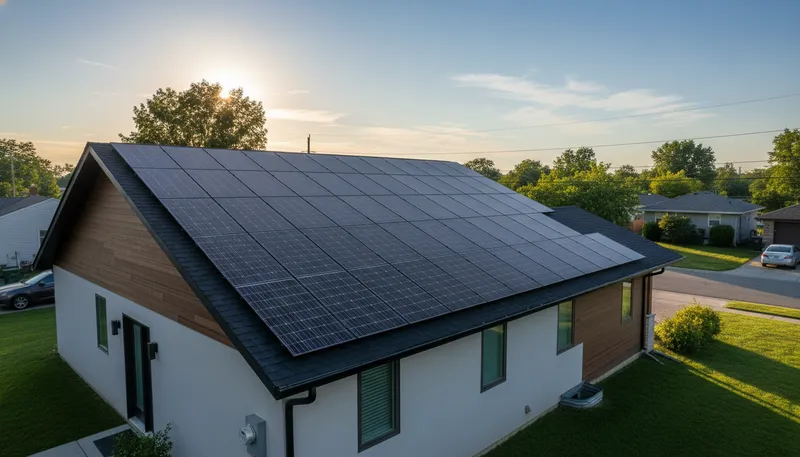
Switching to solar energy is one of the smartest investments you can make for your home. The best solar panels combine high efficiency, long warranties, and competitive pricing to maximize your energy savings and property value while reducing your carbon footprint.
Our team analyzed over 100 solar panel manufacturers, comparing efficiency ratings, degradation rates, warranty coverage, and real-world pricing. Here are the 10 best solar panels for residential installations in 2025.
Quick Comparison
| Brand | Best For | Efficiency | Rating |
|---|---|---|---|
| 1. Maxeon (SunPower) | Best Overall Solar Panels | 22.8%-24.9% | ★4.9/5 |
| 2. Canadian Solar | Best Value Solar Panels | 20.5%-21.8% | ★4.8/5 |
| 3. REC Group | Best Premium Mid-Range | 22.6% | ★4.8/5 |
| 4. Qcells | Most Popular with Installers | 20.6%-22.3% | ★4.7/5 |
| 5. Silfab Solar | Best North American Made | 21.8% | ★4.7/5 |
| 6. JA Solar | Best Budget Performance | 20.5%-22.1% | ★4.6/5 |
| 7. LONGi Solar | Best Advanced Technology | 23.3% | ★4.6/5 |
| 8. Jinko Solar | Best Global Volume Leader | 21.5%-23.8% | ★4.5/5 |
| 9. Aiko Solar | Best Ultimate Efficiency | 24.3% | ★4.5/5 |
| 10. Trina Solar | Best Tier 1 Value | 20.8%-21.9% | ★4.4/5 |
Our Top Picks in Detail
Maxeon (SunPower)
Maxeon panels represent the pinnacle of solar technology with record-breaking 24.9% efficiency and an unprecedented 40-year warranty. While premium-priced, the 0.25% degradation rate and superior longevity deliver unmatched long-term value for homeowners prioritizing quality over cost.
Pros
- ✓Highest efficiency rating up to 24.9%
- ✓Industry-leading 40-year warranty
- ✓Lowest degradation rate at 0.25% annually
- ✓88.3% output after 40 years
- ✓American-designed premium technology
Cons
- ✗Most expensive at $3.00-$3.50 per watt
- ✗Premium pricing may not suit all budgets
- ✗Longer ROI period due to higher costs
Canadian Solar
Canadian Solar balances performance and affordability with reliable 21.8% efficiency at competitive $2.40-$2.70 per watt pricing. With two decades of proven manufacturing and a 30-year guarantee, it's the smart choice for cost-conscious homeowners seeking quality panels.
Pros
- ✓Excellent value for performance
- ✓Over 20 years of manufacturing experience
- ✓30-year power production guarantee
- ✓Trusted by installers nationwide
- ✓Strong warranty coverage
Cons
- ✗Moderate efficiency compared to premium brands
- ✗Standard degradation rates
- ✗Less advanced technology than top-tier options
REC Group
REC Alpha Pure delivers premium performance at mid-range pricing with impressive 22.6% efficiency and industry-leading 92% output guarantee after 25 years. The sweet spot between cost and performance makes REC ideal for homeowners wanting top-tier quality without Maxeon pricing.
Pros
- ✓Exceptional 22.6% efficiency
- ✓92% power output guarantee after 25 years
- ✓Better value than Maxeon at $2.85/watt
- ✓Low degradation matching premium brands
- ✓European engineering quality
Cons
- ✗Not the absolute highest efficiency
- ✗Mid-premium pricing
- ✗Shorter warranty than Maxeon
Qcells
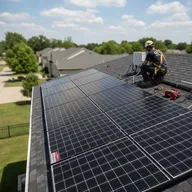
Qcells dominates residential solar with 58% installer adoption thanks to reliable 22.3% efficiency, competitive pricing, and exceptional manufacturer support. The Q.PEAK DUO series offers proven performance that installers trust and homeowners appreciate.
Pros
- ✓58% of installers offer Qcells
- ✓Reliable performance and quality
- ✓Competitive pricing for efficiency
- ✓Strong manufacturer support
- ✓Excellent track record
Cons
- ✗Standard degradation rates
- ✗Not the highest efficiency available
- ✗Mid-range technology
Silfab Solar
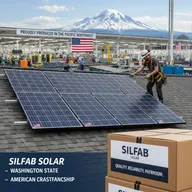
Silfab brings solar manufacturing to America with Washington-state facilities producing reliable 21.8% efficiency panels. Installers love the quality and domestic support, while homeowners appreciate supporting American jobs with extended warranty coverage.
Pros
- ✓Manufactured in Washington state
- ✓Beloved by installers across the country
- ✓Extended 30-year warranty options
- ✓High build quality
- ✓Supports American manufacturing jobs
Cons
- ✗Premium pricing for domestic production
- ✗Moderate efficiency compared to imports
- ✗Limited availability in some regions
JA Solar
JA Solar delivers impressive 22.1% efficiency at budget-friendly $2.30-$2.60 per watt pricing. Strong financial performance and quality manufacturing make JA Solar an excellent choice for homeowners maximizing value without sacrificing too much performance.
Pros
- ✓Excellent affordability at $2.30/watt
- ✓Solid 22.1% efficiency for the price
- ✓Strong financial performance as company
- ✓Widespread global availability
- ✓Good quality control
Cons
- ✗Slightly higher degradation at 0.45%
- ✗Less premium feel than top brands
- ✗Shorter track record in US market
LONGi Solar
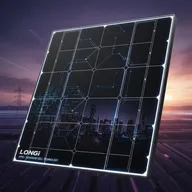
LONGi pushes solar technology forward with innovative 23.3% HPBC cells that excel in low-light conditions. While premium-priced, the advanced engineering and global reputation make LONGi ideal for homeowners wanting cutting-edge solar technology.
Pros
- ✓Advanced HPBC technology at 23.3%
- ✓Proven reliability with HiMo5 series
- ✓Strong global market presence
- ✓Excellent performance in low light
- ✓Innovative cell design
Cons
- ✗Premium pricing for technology
- ✗Chinese brand may concern some buyers
- ✗Higher cost than similar efficiency options
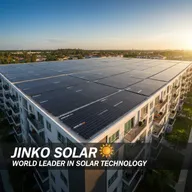
Jinko Solar
Jinko Solar leverages massive manufacturing scale to deliver impressive 23.8% Tiger NEO efficiency at competitive pricing. As the world's largest solar producer, Jinko offers proven reliability, global support, and excellent value for performance-conscious buyers.
Pros
- ✓World's largest solar manufacturer
- ✓Impressive 23.8% efficiency (Tiger NEO)
- ✓Strong global support network
- ✓Competitive pricing at $2.40/watt
- ✓Proven reliability at scale
Cons
- ✗Standard warranty terms
- ✗Brand recognition lower than premium options
- ✗Chinese manufacturing origin

Aiko Solar
Aiko Solar sets efficiency records with groundbreaking 24.3% ABC technology that outperforms even Maxeon panels. While premium-priced, the revolutionary back-contact cells and integrated shade optimization justify the cost for homeowners with limited roof space or maximum efficiency requirements.
Pros
- ✓Record 24.3% efficiency rating
- ✓Revolutionary ABC technology
- ✓Excellent shade optimization
- ✓Lower degradation than standard panels
- ✓Future-proof technology
Cons
- ✗Highest cost at $3.75-$4.00/watt
- ✗Newer brand with shorter track record
- ✗May be overkill for average homes
Trina Solar
Trina Solar delivers Tier 1 quality at entry-level pricing with reliable 21.9% efficiency starting at just $2.25 per watt. With over 25 years of manufacturing experience, Trina offers proven performance for budget-conscious homeowners prioritizing affordability over cutting-edge specs.
Pros
- ✓Tier 1 manufacturer status
- ✓Most affordable at $2.25/watt
- ✓Proven track record since 1997
- ✓Good efficiency for the price
- ✓Widely available through installers
Cons
- ✗Higher degradation at 0.5% annually
- ✗Lower efficiency than premium brands
- ✗Standard warranty coverage
How We Evaluate Solar Panels
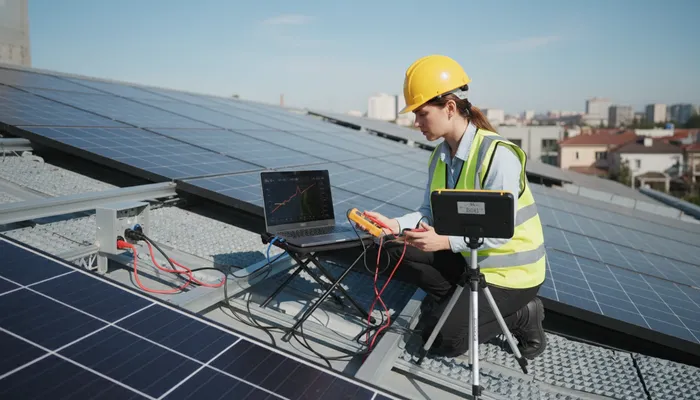
Our expert team uses a comprehensive methodology to test and compare solar panels. Here’s what we evaluate:
Efficiency Rating
We analyze power conversion capabilities:
- Peak efficiency: Maximum sunlight-to-electricity conversion
- Temperature coefficient: Performance loss in heat
- Low-light performance: Output during cloudy conditions
- Real-world vs. lab ratings: Actual installation results
Cost Analysis
We calculate true lifetime value:
- Cost per watt before installation
- Total system cost including labor
- Payback period at average electricity rates
- Long-term savings over panel lifetime
Warranty Coverage
We review protection terms carefully:
- Product warranty length (defects and failures)
- Power output guarantees over time
- Transferability to new homeowners
- Manufacturer financial stability
Degradation Rate
We track long-term performance:
- Annual power output decline percentage
- Expected output after 25-40 years
- Comparison to industry averages
- Impact on lifetime energy production
Frequently Asked Questions
What solar panel efficiency do I need?
For most homes, 21-22% efficiency provides excellent performance at reasonable cost. Higher efficiency (23%+) is worth it if you have limited roof space or want maximum production. Homes with ample roof area can save money with 20-21% panels without sacrificing total output.
How long do solar panels really last?
Quality solar panels last 25-40 years with minimal degradation. Most panels retain 85-92% of their original output after 25 years. Premium panels like Maxeon maintain 88% output after 40 years. The panels will continue producing power beyond warranty periods, just at reduced efficiency.
Are the most expensive solar panels worth it?
Premium panels like Maxeon and Aiko offer superior efficiency, longer warranties, and slower degradation. They’re worth it if you have limited roof space, plan to stay in your home long-term, or prioritize maximum quality. Budget panels from Canadian Solar or Trina deliver excellent value for cost-conscious buyers.
Should I wait for better solar panel technology?
Solar technology improves incrementally, not dramatically. Today’s panels are excellent and will serve you well for decades. Waiting means losing years of energy savings and incentives. Current technology is mature and reliable—there’s no “revolutionary” breakthrough on the horizon worth delaying installation.
Do solar panels work in cold or cloudy climates?
Yes! Solar panels actually work more efficiently in cold temperatures. While cloudy weather reduces output, modern panels still produce significant power in diffuse light. Snowy regions often have excellent solar potential because panels generate power from reflected sunlight off snow, and cold temperatures improve efficiency.
What’s the difference between monocrystalline and polycrystalline?
Monocrystalline panels dominate the market in 2025 with higher efficiency (20-24%) and better performance. Polycrystalline panels are virtually obsolete, having been phased out due to lower efficiency (maxing at 18%). All major manufacturers now use monocrystalline technology.