Article
Best Small Business Grants in 2026: Free Funding Opportunities
Discover the top small business grants for 2026 from federal, state, and private organizations. Our comprehensive guide covers eligibility requirements, application deadlines, and funding amounts to help you secure free money for your business.

Securing free funding for your small business can be the difference between staying small and scaling up. Unlike loans, grants don’t need to be repaid—they’re essentially free money to help your business grow, innovate, or recover from setbacks.
Our team researched hundreds of grant programs from federal agencies, private corporations, and nonprofit organizations. Here are the 10 best small business grants available in 2026, with details on eligibility, funding amounts, and application requirements.
Quick Comparison
| Grant Program | Best For | Funding Amount | Rating |
|---|---|---|---|
| 1. SBIR/STTR Program | Best for Tech Innovation | Up to $1.8M | ★4.9/5 |
| 2. FedEx Small Business Grant | Best for Established SMBs | Up to $50,000 | ★4.8/5 |
| 3. Amber Grant for Women | Best for Women Entrepreneurs | $10,000 monthly | ★4.7/5 |
| 4. NASE Growth Grants | Best for Micro-Businesses | $4,000 | ★4.6/5 |
| 5. Verizon Small Business Digital Ready | Best for Digital Transformation | Up to $10,000 | ★4.7/5 |
| 6. USDA Rural Business Grants | Best for Rural Areas | Up to $500,000 | ★4.5/5 |
| 7. Lenovo Evolve Small Grant | Best for Technology Adoption | $25,000 + Tech | ★4.5/5 |
| 8. Awesome Foundation Micro-Grant | Best for Creative Projects | $1,000 | ★4.3/5 |
| 9. EDA Economic Development Grants | Best for Regional Impact | Varies widely | ★4.6/5 |
| 10. Restaurant Disaster Relief Fund | Best for Disaster Recovery | $10,000 | ★4.4/5 |
Our Top Picks in Detail

SBIR/STTR Program
The Small Business Innovation Research (SBIR) and Small Business Technology Transfer (STTR) programs provide the most substantial federal funding for small businesses developing cutting-edge technology. With Phase I awards up to $150,000 and Phase II up to $1 million, this non-dilutive funding helps startups research and commercialize innovations in areas like healthcare, clean energy, and national security.
Pros
- ✓Up to $150K Phase I, $1M Phase II funding
- ✓Non-dilutive funding - no equity given up
- ✓Validation from federal agencies
- ✓Multiple agencies participate
- ✓Can lead to commercialization opportunities
Cons
- ✗Highly competitive application process
- ✗Must focus on technological innovation
- ✗Lengthy application and review process

FedEx Small Business Grant
Since 2012, FedEx has awarded over $350,000 annually to small businesses through its grant competition. The grand prize winner receives $50,000 while nine runners-up each get $20,000. Businesses must have a FedEx shipping account for at least six months and fewer than 100 employees to qualify.
Pros
- ✓$50K grand prize, $20K for nine runners-up
- ✓Free publicity and exposure
- ✓Voting period engages your community
- ✓Open to most business types
- ✓Simple application process
Cons
- ✗Must have FedEx shipping account for 6+ months
- ✗Requires public voting component
- ✗Only 10 total winners annually

Amber Grant for Women
Founded by WomensNet in 1998 and named in memory of a young woman with entrepreneurial dreams, the Amber Grant awards $10,000 each month to women-led businesses. At year's end, one monthly winner receives an additional $25,000. With one simple application, you're considered for monthly grants, industry-specific awards, and the annual grand prize.
Pros
- ✓$10K awarded monthly to women-owned businesses
- ✓One annual winner receives additional $25K
- ✓Simple one-time application for multiple grants
- ✓Open to U.S. and Canadian businesses
- ✓Can apply every month
Cons
- ✗Must be at least 50% women-owned
- ✗High competition with monthly pool
- ✗Relatively small award amounts

NASE Growth Grants
The National Association for the Self-Employed (NASE) has distributed nearly $1 million in growth grants to members since 2006. These $4,000 grants help micro-businesses and solo entrepreneurs invest in growth initiatives like marketing, equipment, or expansion. The rolling application process means you can apply at any time throughout the year.
Pros
- ✓$4,000 grants awarded regularly
- ✓Nearly $1M awarded since 2006
- ✓Supports business growth and expansion
- ✓Rolling application process
- ✓Strong community support network
Cons
- ✗Must be NASE member to apply
- ✗Smaller grant amount compared to others
- ✗Membership fee required

Verizon Small Business Digital Ready
Verizon Small Business Digital Ready provides both education and funding. Business owners who sign up for the free online community gain access to mentorship, training resources, and digital tools. Throughout the year, Verizon awards grants totaling up to $1 million to help small businesses embrace digital transformation and grow their operations.
Pros
- ✓Free online learning resources and mentoring
- ✓Up to $10,000 in grant funding
- ✓No purchase required to join community
- ✓Technical assistance and networking
- ✓Focus on digital skills development
Cons
- ✗Competitive application process
- ✗Preference for underserved businesses
- ✗Must engage with learning platform
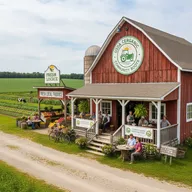
USDA Rural Business Grants
The USDA Rural Business Development Grant program helps small businesses in rural communities grow and create jobs. While there's no maximum grant amount, smaller requests receive priority. Funds can support training, technical assistance, economic development planning, and creating or expanding small emerging businesses in rural areas.
Pros
- ✓No maximum grant amount (priority for smaller requests)
- ✓Enterprise and opportunity grant types
- ✓Supports rural economic development
- ✓Infrastructure and training eligible
- ✓Creates jobs in rural communities
Cons
- ✗Must be in rural area under 50,000 population
- ✗Complex federal application process
- ✗Highly competitive for larger amounts

Lenovo Evolve Small Grant
Lenovo's Evolve Small initiative helps small businesses across the U.S. and Canada modernize through technology. Recent winners received $25,000 cash plus a $10,000 AI technology package customized to their needs. The program focuses on businesses ready to embrace technological innovation to drive growth and efficiency.
Pros
- ✓$25,000 cash grant to winners
- ✓$10,000 in customized technology package
- ✓Focus on AI and technology innovation
- ✓Supports modernization efforts
- ✓Publicity and brand recognition
Cons
- ✗Limited number of annual winners
- ✗Must demonstrate technology need
- ✗Highly competitive application

Awesome Foundation Micro-Grant
The Awesome Foundation consists of 84 independently run chapters worldwide, each awarding $1,000 monthly micro-grants to support awesome projects. While smaller than traditional business grants, these no-strings-attached awards can fund creative initiatives, prototypes, or community-focused business projects. The application is remarkably simple and decisions come quickly.
Pros
- ✓Simple, short application process
- ✓84 independent chapters globally
- ✓Monthly funding opportunities
- ✓No strings attached funding
- ✓Supports creative and community projects
Cons
- ✗Small $1,000 award amount
- ✗Very local/community focused
- ✗Not suitable for large business needs

EDA Economic Development Grants
The Economic Development Administration (EDA) provides grants that support economic resilience, infrastructure development, and regional growth. Projects must align with EDA's investment priorities including equity, sustainability, and economic resilience. While these grants typically support larger economic development initiatives, they can benefit small businesses through infrastructure improvements and regional programs.
Pros
- ✓Supports economic resilience and recovery
- ✓Infrastructure development funding
- ✓Regional economic growth initiatives
- ✓Disaster recovery assistance
- ✓Focus on equity and sustainability
Cons
- ✗Complex application requirements
- ✗Must align with EDA investment priorities
- ✗Often requires matching funds

Restaurant Disaster Relief Fund
DoorDash's Restaurant Disaster Relief Fund provides $10,000 grants to brick-and-mortar restaurants impacted by federally or state-declared disasters like wildfires, hurricanes, or earthquakes. Eligible restaurants must have three or fewer locations, 50 or fewer employees, been operating for at least six months, and made $3 million or less per location annually.
Pros
- ✓$10,000 grants for disaster-impacted restaurants
- ✓Rapid response to natural disasters
- ✓Simple qualification criteria
- ✓Supports recovery and rebuilding
- ✓Available after federal/state disaster declarations
Cons
- ✗Only for brick-and-mortar restaurants
- ✗Must have 3 or fewer locations
- ✗Only available after declared disasters
How to Find and Win Small Business Grants

Winning grant funding requires strategy, preparation, and persistence. Here’s what you need to know:
Start with Grants.gov
Grants.gov is the centralized database for all federal grant opportunities. Create an account and set up alerts for grants matching your business type and industry. This single platform lists thousands of grants from federal agencies, updated daily.
Leverage Free Resources
- SBDCs (Small Business Development Centers): Get free face-to-face consulting to identify grants and improve your applications. Every state has SBDC offices dedicated to local business support.
- SCORE: Free mentorship from experienced business professionals who can guide your grant search and application strategy.
- State and Local Programs: Many states and cities offer grants with less competition than federal programs. Check your state’s economic development website.
Improve Your Odds
Your best chances of winning come from:
- Smaller grant amounts (under $10,000) have less competition
- Local programs with geographic restrictions narrow the applicant pool
- Industry-specific grants where you’re a perfect fit
- Demographic-focused grants if you qualify (women-owned, minority-owned, veteran-owned)
- Newer grant programs that haven’t built widespread awareness
Craft a Winning Application
Strong grant applications share these characteristics:
- Clear business plan: Demonstrate you understand your market and have a viable strategy
- Specific use of funds: Explain exactly how you’ll use the grant money
- Measurable outcomes: Show how the grant will create jobs, increase revenue, or benefit your community
- Professional presentation: Error-free writing, complete documentation, and on-time submission
- Compelling story: Help reviewers understand your mission and why your business deserves funding
Expect a Timeline
Most grant processes take 2-6 months from initial research to receiving funds:
- Fast-track corporate grants: 2-4 weeks
- Standard grant programs: 2-4 months
- Federal grants: 6-12 months or longer
Frequently Asked Questions
Does the SBA provide grants for starting a business?
No. The SBA does not provide grants for starting or expanding a business. The SBA does offer grants to nonprofits, Resource Partners, and educational organizations that provide entrepreneurship counseling and training programs. For direct business funding, explore the grant programs listed above or consider SBA-backed loans.
What’s the difference between SBIR and STTR grants?
Both are part of America’s Seed Fund and focus on technological innovation. The key difference: SBIR doesn’t require partnerships with research institutions, while STTR requires small businesses to formally partner with a research institution. SBIR is generally more accessible for independent small businesses.
Are small business grants taxable?
Generally, yes. The IRS typically considers grant money as taxable income. However, specific circumstances vary. Some grants for disaster relief or specific purposes may have different tax treatment. Consult with a tax professional about your specific situation.
How competitive are small business grants?
It varies widely. Federal grants like SBIR have 15-20% acceptance rates. Corporate grants may have hundreds or thousands of applicants for a handful of awards. Local and niche grants often have better odds. The more specific the grant requirements, the fewer qualified applicants you’ll face.
Can I apply for multiple grants at once?
Absolutely. In fact, you should. Since grant success rates are often low, applying to multiple programs increases your chances of securing funding. Just ensure you meet eligibility requirements and can fulfill obligations if you win multiple grants.
What if my grant application is rejected?
Request feedback from the grant administrator if available. Many programs provide scoring or reviewer comments that can help you improve future applications. Rejection is common—successful grant seekers often apply to 10-20 programs before winning their first grant.