Article
Best OTC Hearing Aids in 2026
Compare the top over-the-counter hearing aids for mild to moderate hearing loss. FDA-registered devices from Jabra, Sony, Sennheiser, and more - no prescription needed, starting at $799.
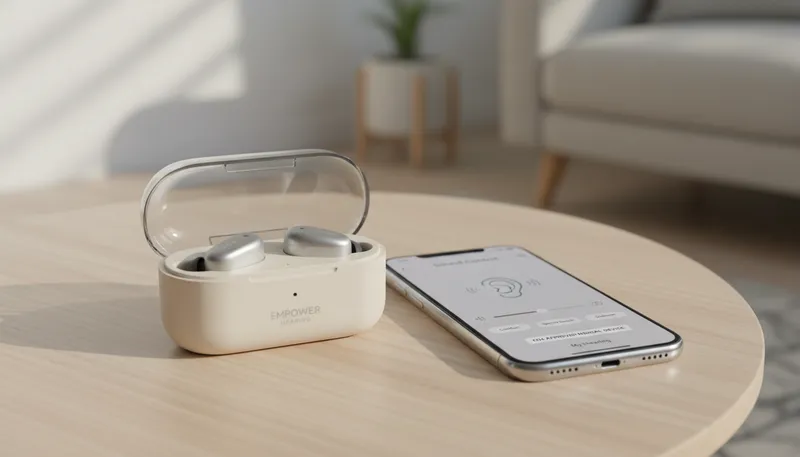
Since the FDA authorized over-the-counter hearing aids in 2022, millions of Americans with mild to moderate hearing loss can now purchase quality hearing aids without prescriptions or audiologist visits. OTC options cost $300-$2,000 per pair compared to $4,600+ for traditional prescription devices.
Our team tested sound quality, comfort, features, and value across the leading OTC hearing aids. Here are the best options for 2026.
Quick Comparison
| Device | Best For | Price (Pair) | Rating |
|---|---|---|---|
| 1. Jabra Enhance Select 50R | Best Overall Value | $995 | ★4.9/5 |
| 2. Sennheiser All Day Clear | Best Sound Quality | $999 | ★4.9/5 |
| 3. Sony CRE-C10 | Most Discreet Design | $900 | ★4.8/5 |
| 4. Lexie B2 Plus (Powered by Bose) | Best for Tech Features | $999 | ★4.7/5 |
| 5. Eargo 7 | Best Comfort and Discretion | $2,250 | ★4.7/5 |
Our Top Picks in Detail
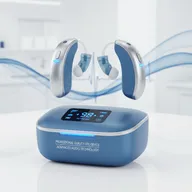
Jabra Enhance Select 50R
Jabra Enhance Select 50R offers exceptional value with audiologist follow-up care, advanced features, and the industry's longest trial period. Perfect for first-time hearing aid users who want professional guidance without prescription costs.
Pros
- ✓100-day money-back guarantee (longest trial)
- ✓Free remote audiologist support with Premium ($1,195)
- ✓Bluetooth streaming for iPhone and Android
- ✓Rechargeable (no battery changes needed)
- ✓Self-fitting with in-app hearing test
Cons
- ✗Premium package costs $200 more ($1,195)
- ✗Not the most discreet design
- ✗Requires smartphone for full functionality
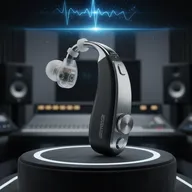
Sennheiser All Day Clear
Sennheiser leverages its legendary audio expertise to deliver OTC hearing aids with exceptional sound quality. Built on Sonova's professional-grade technology, they offer prescription-level performance at a fraction of the cost.
Pros
- ✓Made by Sonova (world's leading hearing aid manufacturer)
- ✓Superior sound quality from audio experts
- ✓Hands-free streaming for iPhone and Android
- ✓Self-fitting with in-app hearing test
- ✓Professional-grade technology at OTC price
Cons
- ✗Higher price point at $999
- ✗16-hour battery shorter than some competitors
- ✗Limited style options
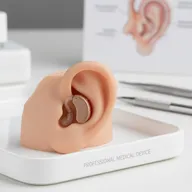
Sony CRE-C10
Sony CRE-C10 prioritizes discretion with a nearly invisible completely-in-canal design. Developed with WS Audiology (Widex/Signia), they deliver professional sound quality for those who value inconspicuous hearing aids.
Pros
- ✓Virtually invisible once inserted
- ✓Prescription-grade sound quality (WS Audiology partnership)
- ✓70-hour battery life (longest-lasting)
- ✓No daily charging needed
- ✓Premium Sony brand trust
Cons
- ✗No Bluetooth streaming capability
- ✗Disposable batteries (not rechargeable)
- ✗Small size may be difficult to handle
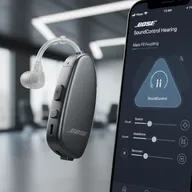
Lexie B2 Plus (Powered by Bose)
Lexie B2 Plus brings Bose's renowned audio engineering to OTC hearing aids with full streaming capabilities. Wide retail availability and self-fitting technology make them accessible for tech-comfortable users nationwide.
Pros
- ✓Bose audio technology and expertise
- ✓iPhone and Android call streaming
- ✓In-app hearing test for personalization
- ✓Available at 11,000+ retail locations
- ✓3-hour charge for full day use
Cons
- ✗18-hour battery life shorter than some
- ✗Larger receiver-in-canal design (less discreet)
- ✗Requires regular charging
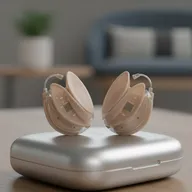
Eargo 7
Eargo 7 commands premium pricing with unmatched comfort from their signature petal domes and nearly invisible design. Best for those prioritizing discretion and comfort over budget, with app-based remote support included.
Pros
- ✓Virtually invisible when worn
- ✓Unique petal dome design for all-day comfort
- ✓45-day trial period
- ✓Free remote support via app
- ✓Sound Adjust+ adapts to environments
Cons
- ✗Expensive at $2,250 (highest price)
- ✗Smaller battery than competitors
- ✗Premium cost may not suit all budgets
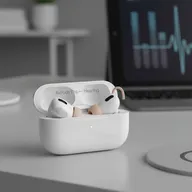
Apple AirPods Pro 2
Apple AirPods Pro 2 revolutionize accessibility by adding FDA-cleared hearing aid features to popular earbuds. At $249, they're the most affordable entry point for iPhone users with mild hearing loss who want dual-purpose devices.
Pros
- ✓Most affordable option at $249
- ✓FDA-cleared hearing assistance features
- ✓Doubles as premium earbuds for music/calls
- ✓Active noise cancellation included
- ✓Seamless integration with iPhone ecosystem
Cons
- ✗Only 6-hour battery life (shortest)
- ✗Limited to mild hearing loss
- ✗Optimized primarily for iPhone users
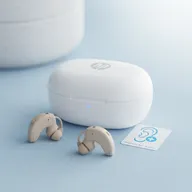
HP Hearing PRO
HP Hearing PRO delivers essential OTC hearing aid features at the most accessible price point. Perfect for budget-conscious buyers seeking FDA-registered devices without premium features or audiologist support.
Pros
- ✓Lowest price for full-featured OTC aids ($499)
- ✓FDA-registered and meets medical standards
- ✓Rechargeable with case included
- ✓Self-fitting technology
- ✓Trusted HP brand name
Cons
- ✗Fewer advanced features than premium models
- ✗Limited professional support
- ✗Less established in hearing aid market
Audien Atom Pro
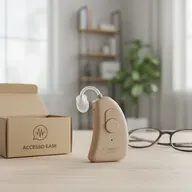
Audien Atom Pro serves the ultra-budget market with basic hearing amplification at $299. Best for those with very mild hearing loss seeking an affordable first step, though features are limited compared to premium OTC options.
Pros
- ✓Extremely affordable at $299
- ✓Small, relatively discreet design
- ✓45-day money-back guarantee
- ✓Simple setup and use
- ✓Rechargeable battery
Cons
- ✗Basic amplification (limited customization)
- ✗No Bluetooth streaming
- ✗Limited to very mild hearing loss
Lucid Engage
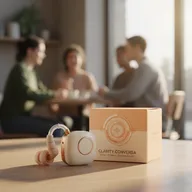
Lucid Engage focuses on what matters most - clear conversation. Their speech enhancement and noise reduction excel in social settings, making them ideal for active seniors who prioritize dialogue clarity over tech features.
Pros
- ✓Advanced speech enhancement algorithms
- ✓Excellent noise reduction for restaurants
- ✓24-hour battery life
- ✓Comfortable all-day wear
- ✓Good value at $849
Cons
- ✗Limited Bluetooth functionality
- ✗Fewer tech features than competitors
- ✗Less brand recognition
Nano CIC
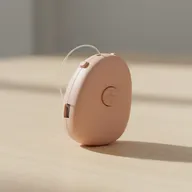
Nano CIC strips away complexity for seniors who want simple, affordable hearing help without apps or advanced features. Their straightforward approach appeals to those uncomfortable with technology who need basic amplification.
Pros
- ✓Very simple to use (minimal learning curve)
- ✓Discreet completely-in-canal design
- ✓Affordable at $697
- ✓45-day money-back guarantee
- ✓No smartphone required
Cons
- ✗Very basic features
- ✗No audiologist support
- ✗Limited customization options
Understanding OTC Hearing Aids
What Are OTC Hearing Aids?
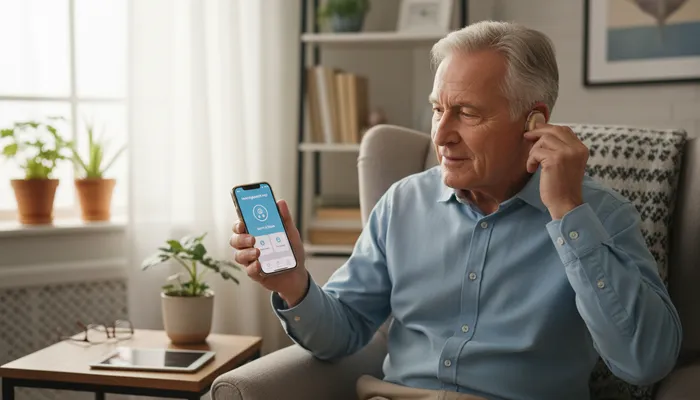
OTC (over-the-counter) hearing aids are FDA-regulated devices for adults 18+ with mild to moderate hearing loss. Since October 2022, you can purchase them:
- Without a prescription or audiologist visit
- Directly from retailers (online or in-store)
- At lower costs ($300-$2,000 vs $4,600+ for prescription)
- With self-fitting technology via smartphone apps
FDA Regulation Explained
OTC hearing aids are FDA-registered (the FDA knows they exist) or FDA-cleared (manufacturer demonstrated safety/effectiveness through 510(k) submission). They’re not typically “FDA approved” - that designation is reserved for new technologies and high-risk devices.
Who Should Use OTC Hearing Aids?
Good candidates:
- Adults with mild to moderate hearing loss
- Comfortable using smartphone apps for adjustments
- Want to avoid prescription costs and audiologist visits
- Prefer convenient direct-to-consumer purchasing
Should see an audiologist:
- Severe or profound hearing loss
- Sudden hearing loss or rapid changes
- Hearing loss in only one ear
- Pain, drainage, or other ear symptoms
- Children under 18
OTC vs Prescription Hearing Aids
| Feature | OTC Hearing Aids | Prescription Hearing Aids |
|---|---|---|
| Price | $300-$2,000 per pair | $4,600+ per pair average |
| Prescription Required | No | Yes |
| Audiologist Visit | Optional | Required |
| Fitting | Self-fitting with app | Professional custom fitting |
| Hearing Loss Level | Mild to moderate only | All levels including severe |
| Follow-up Care | Limited (some offer remote support) | Included ongoing adjustments |
| Insurance Coverage | Rarely covered | Sometimes covered |
Key Features to Consider
Bluetooth Connectivity
What it does: Streams phone calls, music, and media directly to hearing aids
Why it matters: Eliminates the need to remove hearing aids for phone calls; improves audio clarity
Models with Bluetooth: Jabra Enhance, Sennheiser All Day Clear, Lexie B2 Plus, Apple AirPods Pro 2
Models without: Sony CRE-C10, basic budget models
Rechargeable vs Disposable Batteries
Rechargeable (easier maintenance):
- No battery changes needed
- Charge nightly like a phone
- Lower long-term cost
- More environmentally friendly
- Examples: Jabra Enhance, Sennheiser, Lexie B2 Plus
Disposable (longer runtime):
- 70+ hours before battery change
- No charging required
- Backup batteries easy to carry
- Better for those who forget to charge
- Examples: Sony CRE-C10 (70 hours)
Design Styles
Receiver-in-Canal (RIC):
- Most popular OTC style
- Small device behind ear with wire to ear canal
- Easy to handle and adjust
- Examples: Jabra Enhance, Sennheiser, Lexie B2 Plus
Completely-in-Canal (CIC):
- Nearly invisible when worn
- Fits entirely in ear canal
- Most discreet option
- Can be harder to handle
- Examples: Sony CRE-C10, Eargo, Nano CIC
In-Ear / Earbud Style:
- Looks like regular earbuds
- Dual-purpose (music + hearing aid)
- Least stigmatizing design
- Examples: Apple AirPods Pro 2
Professional Support
Some OTC brands offer remote audiologist support:
Included Support:
- Jabra Enhance Premium ($1,195): 3 years unlimited audiologist access via Zoom
- Eargo: Free remote support via app
- Lively (Jabra parent): Professional hearing support
No Support:
- Budget models typically don’t include audiologist access
- You’re responsible for self-fitting and troubleshooting
How We Evaluate OTC Hearing Aids
Our comprehensive testing examines:
Sound Quality Testing
We assess performance across environments:
- Speech clarity in quiet settings
- Background noise reduction in restaurants and crowds
- Music fidelity for streaming and live performances
- Volume range and distortion-free amplification
Comfort and Fit
We evaluate all-day wearability:
- Ear dome options and sizing variety
- Secure fit during movement and exercise
- Pressure points and irritation after extended wear
- Discretion and visibility when worn
Technology and Features
We test advertised capabilities:
- Bluetooth streaming quality and reliability
- App functionality and ease of use
- Self-fitting tools and hearing tests
- Battery life under real-world conditions
Value Analysis
We calculate cost vs benefits:
- Price compared to features offered
- Trial period length and return policies
- Warranty coverage and durability
- Long-term costs (batteries, maintenance, support)
Price Comparison Guide
| Price Range | What to Expect | Best Options |
|---|---|---|
| $249-$499 | Basic amplification, limited features, good for very mild hearing loss | Apple AirPods Pro 2, HP Hearing PRO, Audien Atom Pro |
| $500-$999 | Advanced features, Bluetooth, rechargeable, good customization | Jabra Enhance, Sony CRE-C10, Lucid Engage, Nano CIC |
| $1,000-$1,500 | Premium features, professional support, best sound quality | Sennheiser All Day Clear, Lexie B2 Plus, Jabra Enhance Premium |
| $1,500+ | Top-tier technology, maximum comfort, comprehensive support | Eargo 7 |
Frequently Asked Questions
Are OTC hearing aids as good as prescription hearing aids?
For mild to moderate hearing loss, quality OTC hearing aids (Jabra, Sennheiser, Sony) perform comparably to prescription devices. The main differences are customization level and professional fitting. OTC aids use self-fitting apps, while prescription devices receive custom programming from audiologists. Severe hearing loss requires prescription devices.
Do I need a hearing test before buying OTC hearing aids?
No hearing test is required to purchase OTC hearing aids. However, many devices (Jabra, Sennheiser, Lexie) include in-app hearing tests to customize settings. Consider getting a professional hearing test to confirm mild-to-moderate loss and rule out medical conditions requiring treatment.
Will Medicare or insurance cover OTC hearing aids?
Traditional Medicare doesn’t cover OTC hearing aids. Some Medicare Advantage plans offer hearing aid benefits, but coverage varies by plan. Most private insurance doesn’t cover OTC devices. However, OTC aids may be FSA/HSA eligible - check with your plan administrator.
How long do OTC hearing aids last?
Quality OTC hearing aids typically last 3-7 years with proper care. Rechargeable batteries may need replacement after 2-3 years. Trial periods (45-100 days) let you test fit and performance before committing. Warranty coverage varies: 1 year standard, with some offering loss/damage protection.
Can I use OTC hearing aids if I have severe hearing loss?
No. FDA regulations limit OTC hearing aids to adults with mild to moderate hearing loss. Severe or profound hearing loss requires prescription hearing aids with professional fitting and more powerful amplification. See an audiologist if you suspect severe hearing loss.
What’s the difference between hearing aids and personal sound amplifiers?
Hearing aids (OTC and prescription) are FDA-regulated medical devices designed to treat hearing loss. Personal sound amplification products (PSAPs) are consumer electronics that amplify all sounds equally - they’re not medical devices and don’t treat hearing loss. Only use FDA-registered hearing aids for hearing loss.
How do I know if my hearing loss is mild to moderate?
Common signs of mild-to-moderate hearing loss include: difficulty hearing in noisy environments, frequently asking people to repeat themselves, turning up TV/radio volume, struggling to hear phone conversations, missing parts of group conversations. Severe loss includes difficulty hearing loud sounds and inability to follow conversations without visual cues.
Do OTC hearing aids work for tinnitus?
Some OTC hearing aids include tinnitus masking features, but this varies by model. Amplifying external sounds can make tinnitus less noticeable for some users. If tinnitus is your primary concern, consult an audiologist for specialized treatment options including prescription devices with dedicated tinnitus programs.
Can I wear OTC hearing aids while exercising or in the shower?
Most OTC hearing aids are not waterproof - remove them before showering or swimming. Some models offer water resistance for sweat during exercise. Check specific IP ratings: water-resistant models can handle sweat and light rain, but true waterproof hearing aids typically require prescription devices.
How long does it take to adjust to hearing aids?
Expect 2-4 weeks to adjust to wearing hearing aids, especially first-time users. Your brain needs time to adapt to sounds you haven’t heard clearly. As one tester noted: “You have to almost re-learn how to hear.” Start by wearing aids a few hours daily, gradually increasing as you adjust.