Article
Best Online Therapy Services in 2026
Connect with licensed therapists from home. Our experts evaluated accessibility, pricing, and features to find the best online therapy platforms for your mental health needs.

Whether you’re dealing with anxiety, depression, relationship challenges, or simply need someone to talk to, online therapy has made mental health support more accessible than ever in 2026.
Our team evaluated over 30 online therapy platforms, examining therapist qualifications, pricing transparency, communication options, and user experiences. Here are the best online therapy services for every need and budget.
Quick Comparison
| Platform | Best For | Weekly From | Rating |
|---|---|---|---|
| 1. BetterHelp | Best Overall | $70/week | ★4.8/5 |
| 2. Talkspace | Best for Insurance Coverage | $69/week | ★4.7/5 |
| 3. ReGain | Best for Couples Therapy | $70/week | ★4.5/5 |
| 4. Calmerry | Best Customer Service | $50/week | ★4.6/5 |
| 5. Online-Therapy.com | Best for CBT Focus | $60/week | ★4.7/5 |
| 6. Pride Counseling | Best for LGBTQ+ Community | $60/week | ★4.6/5 |
Our Top Picks in Detail

BetterHelp
BetterHelp leads the online therapy space with its massive network of therapists and flexible communication options. The platform excels in matching you with licensed professionals who specialize in your specific needs, from anxiety and depression to trauma and relationship issues.
Pros
- ✓Largest network of 30,000+ licensed therapists
- ✓24/7 messaging access with daily responses
- ✓Group therapy classes included
- ✓Easy therapist switching at no cost
- ✓Financial aid available for those in need
Cons
- ✗Higher cost at $280-400 per month
- ✗Cannot prescribe medication
- ✗Limited insurance acceptance currently

Talkspace
Talkspace stands out with its comprehensive insurance coverage and integrated psychiatry services. The platform recently launched specialized programs including women-centric mental health support and partnerships that streamline medication access.
Pros
- ✓Accepts most major insurance plans and Medicare
- ✓Psychiatry services available ($299 initial)
- ✓Live weekly workshops included in premium plan
- ✓Specialized programs for women's health (Chapters)
- ✓Partnership with Amazon Pharmacy for prescriptions
Cons
- ✗Therapists respond only 5 days per week
- ✗Video sessions limited to 30-50 minutes
- ✗Higher out-of-pocket costs without insurance

ReGain
ReGain focuses exclusively on couples therapy, making it the top choice for relationship counseling. Owned by BetterHelp, it offers the same quality platform with therapists specialized in marriage, communication, and relationship dynamics.
Pros
- ✓Specialized exclusively in couples counseling
- ✓Both partners included in one subscription
- ✓Weekly group webinars on relationship topics
- ✓Shared journaling space for couples
- ✓45-day money-back guarantee
Cons
- ✗No insurance coverage available
- ✗Some users report therapist cancellations
- ✗Account cancellation can be difficult

Calmerry
Calmerry delivers exceptional value with affordable pricing and superior customer service. The platform includes comprehensive self-help tools, mood tracking, and a user-friendly interface that works seamlessly across desktop and mobile.
Pros
- ✓Most affordable starting at $50/week
- ✓Outstanding customer service and support
- ✓Free therapist switching anytime
- ✓Mood-tracking chatbot and self-help library
- ✓Financial aid up to 30% for 3 months
Cons
- ✗Video sessions only 30 minutes long
- ✗No insurance accepted
- ✗No couples or teen therapy options

Online-Therapy.com
Online-Therapy.com specializes in cognitive behavioral therapy with a comprehensive self-guided program. The structured approach combines live therapy sessions with interactive worksheets, educational videos, and mindfulness resources.
Pros
- ✓Structured 8-section CBT program included
- ✓Longer 45-minute therapy sessions
- ✓Comprehensive worksheets and activities
- ✓Yoga and meditation resources included
- ✓20% discount on first month
Cons
- ✗Limited to CBT approach only
- ✗Messaging responses only weekdays
- ✗Price increased to $240-480/month in 2026

Pride Counseling
Pride Counseling creates a safe, affirming space for LGBTQ+ individuals seeking therapy. Part of the BetterHelp network, it offers therapists who specialize in identity, coming out, relationships, and challenges unique to the LGBTQ+ community.
Pros
- ✓All therapists specialize in LGBTQ+ issues
- ✓Completely dedicated LGBTQ+ community
- ✓Flexible scheduling for all time zones
- ✓Private and discreet service
- ✓Financial aid program available
Cons
- ✗No psychiatry or medication services
- ✗Platform may be discontinued (verify status)
- ✗No insurance coverage
How We Evaluate Online Therapy Services
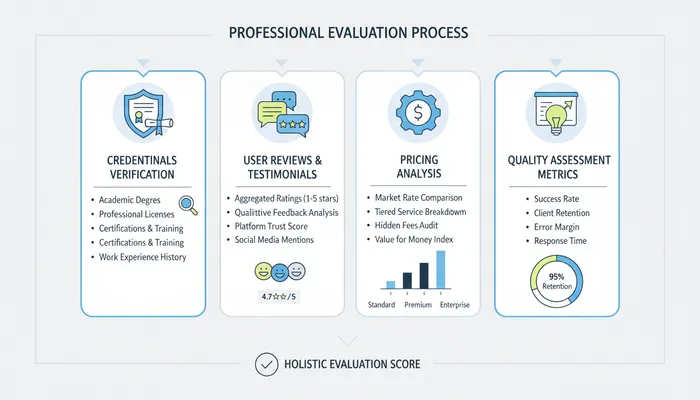
Our comprehensive evaluation process examines multiple factors:
Therapist Qualifications
We verify that platforms employ properly licensed professionals:
- Credentials: Licensed therapists (LMFT, LCSW, LPC, PhD/PsyD)
- Experience: Years in practice and specialization areas
- Matching process: How effectively platforms pair clients with therapists
- Availability: Network size and ease of finding appointments
Pricing Transparency
We analyze cost structures and value:
- Base pricing: Weekly or monthly subscription costs
- Insurance coverage: Accepted plans and reimbursement options
- Financial aid: Assistance programs for those in need
- Hidden fees: Additional charges for features or services
Communication Options
We test different therapy modalities:
- Messaging: Unlimited vs. limited, response times
- Video sessions: Duration, quality, and frequency
- Phone and live chat: Availability and effectiveness
- Asynchronous therapy: Flexibility for different schedules
Platform Features
We evaluate additional tools and support:
- Self-help resources: Worksheets, articles, and exercises
- Specialized programs: CBT modules, group therapy, workshops
- User experience: App and website usability
- Privacy and security: HIPAA compliance and data protection
Understanding Online Therapy
What is Online Therapy?
Online therapy (also called teletherapy or e-therapy) connects you with licensed mental health professionals through digital platforms. You can communicate via video calls, phone, live chat, or messaging, making therapy more accessible and convenient than traditional in-person sessions.
Types of Online Therapy
- Video therapy: Face-to-face sessions via secure video calls
- Messaging therapy: Text-based communication with your therapist
- Phone therapy: Audio-only sessions for privacy or preference
- Live chat: Real-time text conversations
- Hybrid approaches: Combining multiple communication methods
Frequently Asked Questions
Is online therapy as effective as in-person therapy?
Research shows that online therapy is equally effective as in-person therapy for many conditions, including anxiety, depression, and PTSD. The convenience and accessibility often lead to better treatment adherence and outcomes.
How much does online therapy cost?
Online therapy typically costs $60-100 per week ($240-400 monthly), significantly less than traditional therapy which averages $100-200 per session. Many platforms offer financial aid, and some accept insurance.
Do online therapists prescribe medication?
Most online therapy platforms do not prescribe medication, as they employ therapists rather than psychiatrists. However, platforms like Talkspace offer separate psychiatry services where licensed psychiatrists can prescribe medication.
Is online therapy confidential?
Yes, reputable online therapy platforms are HIPAA-compliant and use encryption to protect your privacy. Your conversations with therapists are confidential, with the same legal protections as in-person therapy.
Can I use insurance for online therapy?
Insurance coverage varies by platform. Talkspace accepts most major insurance plans and Medicare, while BetterHelp has limited insurance coverage. Many platforms provide receipts for potential reimbursement from your insurance provider.
How do I choose the right online therapy platform?
Consider your specific needs: insurance requirements, preferred communication method, budget, and any specialized care (couples therapy, LGBTQ+ focus, CBT). Most platforms offer free therapist switching if your first match isn’t ideal.
What if I don’t like my therapist?
All reputable platforms allow you to switch therapists at no additional cost. It’s common to try multiple therapists before finding the right fit, and good platforms make this process easy.
Can online therapy help with serious mental health conditions?
Online therapy can help with many conditions including anxiety, depression, trauma, and relationship issues. However, it may not be suitable for severe mental illness, crisis situations, or those requiring intensive in-person care.