Article
Best Online Master's Programs in 2026
Advance your career with flexible graduate education from top universities. Our experts compared rankings, tuition costs, and program quality to find the best online master's degrees.

Online master’s degrees from accredited universities provide the advanced credentials and specialized knowledge to accelerate your career without pausing your professional life. in 2026, top universities offer hundreds of online graduate programs with the same rigorous curriculum and prestigious credentials as on-campus options.
Our team evaluated over 50 online master’s programs from leading universities, examining rankings, tuition costs, program variety, learning formats, accreditation, and career outcomes. Here are the best online master’s programs for advancing your education and career.
Quick Comparison
| University | Best For | Per Credit | Rating |
|---|---|---|---|
| 1. University of Southern California | Best Overall Excellence | $2,354/credit | ★4.8/5 |
| 2. Johns Hopkins University | Best for Engineering & Tech | $1,818/credit | ★4.7/5 |
| 3. Georgia Institute of Technology | Best Value for Tech | $180/credit | ★4.9/5 |
| 4. University of Florida | Best Affordable Public University | $449/credit | ★4.6/5 |
| 5. Penn State World Campus | Best Program Variety | $867/credit | ★4.5/5 |
| 6. Northwestern University | Best for Working Professionals | $1,823/credit | ★4.7/5 |
| 7. Arizona State University Online | Best Innovation & Accessibility | $565/credit | ★4.5/5 |
| 8. Boston University | Best for Data Science | $694/credit | ★4.6/5 |
| 9. Northeastern University | Best for Career Services | $608/credit | ★4.5/5 |
| 10. North Carolina State University | Best Public University Variety | $450/credit | ★4.4/5 |
Our Top Picks in Detail

University of Southern California
University of Southern California delivers Ivy League-caliber online graduate education with over 40 master's programs. With tuition ranging from $2,354-$2,665 per unit depending on the school, USC provides the same prestigious credential and rigorous curriculum online as on-campus.
Pros
- ✓Elite university ranking with prestigious USC credential
- ✓40+ online master's programs across diverse disciplines
- ✓Same tuition for online and on-campus students
- ✓Viterbi Engineering programs at $2,665 per unit
- ✓Exceptional career outcomes and alumni network
Cons
- ✗Premium pricing at $2,354-$2,665 per credit hour
- ✗Total program costs $40,000-$80,000 depending on field
- ✗Competitive admission standards

Johns Hopkins University
Johns Hopkins University excels in online engineering and technology master's programs through its Engineering for Professionals division. With reduced tuition of $5,455 per graduate course (down from $6,670 with dean's support), JHU offers accessible yet prestigious graduate education from a top-10 university.
Pros
- ✓World-renowned Johns Hopkins reputation in STEM
- ✓Engineering courses at $5,455 with dean's support (reduced from $6,670)
- ✓60+ online graduate programs available
- ✓Flexible evening and weekend class schedules
- ✓Strong employer recognition and career advancement
Cons
- ✗Average graduate tuition $64,730 for full programs
- ✗Engineering programs still require significant investment
- ✗Competitive admission requirements

Georgia Institute of Technology
Georgia Institute of Technology revolutionizes online graduate education with its world-class STEM programs at unprecedented value. The famous Online Master of Computer Science costs just $7,000 total, while other online master's programs remain under $10,000 from this top-5 engineering school.
Pros
- ✓Exceptional value with total cost under $10,000
- ✓Prestigious top-5 engineering school credential
- ✓Online Master of Computer Science only $7,000 total
- ✓Same diploma as on-campus students receive
- ✓10 online master's programs focused on STEM
Cons
- ✗Limited to STEM fields only
- ✗Highly competitive admissions process
- ✗Asynchronous format requires strong self-motivation

University of Florida
University of Florida provides exceptional value as a top-ranked public university with 40+ online master's programs. Florida residents pay just $449 per credit hour, while out-of-state students benefit from a new fee waiver reducing costs to $438.94/credit starting Summer 2026.
Pros
- ✓Affordable at $449/credit for Florida residents
- ✓Out-of-state fee waiver reduces costs to $438.94/credit (Summer 2026)
- ✓40+ online master's programs across disciplines
- ✓Top-ranked public university with strong reputation
- ✓In-state graduate tuition only $12,737 total annually
Cons
- ✗Out-of-state tuition $1,139/credit without waiver ($30,130 annually)
- ✗Fee waiver only applies to newly admitted students Summer 2026+
- ✗Large enrollment may mean less personalized attention
Penn State World Campus
Penn State World Campus pioneered quality online education with 40+ master's programs spanning business, engineering, data analytics, cybersecurity, and healthcare. While out-of-state tuition reaches $45,574 annually, the established reputation and program variety make Penn State a comprehensive choice.
Pros
- ✓40+ diverse online master's programs available
- ✓Established online education reputation since 1998
- ✓Flexible asynchronous and synchronous formats
- ✓Same Penn State credential as on-campus students
- ✓Strong career services and alumni network
Cons
- ✗Out-of-state graduate tuition $45,574 annually
- ✗Per-program costs vary significantly by field
- ✗Tuition increasing 3.98% annually for out-of-state students

Northwestern University
Northwestern University's School of Professional Studies excels at serving working professionals with 13+ online master's programs in high-demand fields. While tuition averages $54,655 annually, the prestigious Northwestern credential and career-focused curriculum deliver exceptional ROI for mid-career professionals.
Pros
- ✓Elite university credential from top-10 institution
- ✓Programs designed specifically for working professionals
- ✓13+ online master's and certificate programs
- ✓Evening and weekend class schedules
- ✓Average 3.5% annual tuition increase (predictable costs)
Cons
- ✗Premium pricing at $54,655 average graduate tuition
- ✗Per credit hour cost $7,779 for additional credits
- ✗Limited online program selection compared to competitors

Arizona State University Online
Arizona State University Online leads in innovation and accessibility with 175+ online degree programs spanning every major discipline. Arizona residents enjoy tuition caps at 11 credits, while all students benefit from lower online tuition rates and comprehensive financial aid options.
Pros
- ✓Massive selection with 175+ online programs
- ✓Arizona residents benefit from 11-credit tuition cap
- ✓Lower online tuition compared to in-person programs
- ✓Innovation leader in online education delivery
- ✓Robust financial aid reduces costs significantly
Cons
- ✗Program fees and differential tuition vary widely
- ✗Non-resident costs can be substantial
- ✗Large scale may impact personalized support

Boston University
Boston University stands out with its innovative $25,000 online MS in Data Science launched in 2024, requiring no GRE or recommendations. While traditional BU graduate programs average $67,626, the Metropolitan College offers online courses at just $815/credit across 25+ master's programs.
Pros
- ✓New MS Data Science program only $25,000 total (100% online)
- ✓No GRE or recommendations required for Data Science program
- ✓25+ online master's programs available
- ✓Metropolitan College online courses at $815/credit
- ✓BU credential from top research university
Cons
- ✗Regular graduate tuition averages $67,626 for most programs
- ✗Per credit hour $2,084 outside special programs
- ✗New Data Science program has limited track record

Northeastern University
Northeastern University excels at connecting graduate education with career advancement through employer partnerships and experiential learning. With graduate tuition at $29,174 annually and engineering programs around $32,495/year, Northeastern delivers strong ROI through its renowned career services and global network.
Pros
- ✓Renowned for career services and employer partnerships
- ✓Graduate tuition $29,174 annually (below competitors)
- ✓20+ online master's programs with career focus
- ✓Global network of campuses and industry connections
- ✓Masters Engineering programs around $32,495/year
Cons
- ✗Per credit hour cost $1,799 can accumulate quickly
- ✗MBA program costs $103,620 (significantly higher)
- ✗Tuition increasing 3.82% annually

North Carolina State University
North Carolina State University offers 50+ fully online master's programs from its Raleigh campus, excelling in engineering, education, business, and specialized fields like agriculture and textiles. As a top public research university, NC State combines affordability with quality across diverse disciplines.
Pros
- ✓50+ fully online master's programs from Raleigh campus
- ✓Strong STEM programs from top public research university
- ✓Affordable public university tuition rates
- ✓Flexible synchronous and asynchronous formats
- ✓Established reputation in engineering and agriculture
Cons
- ✗Out-of-state tuition significantly higher than in-state
- ✗Less prestigious than some private university competitors
- ✗Program-specific costs vary considerably
How We Evaluate Online Master’s Programs
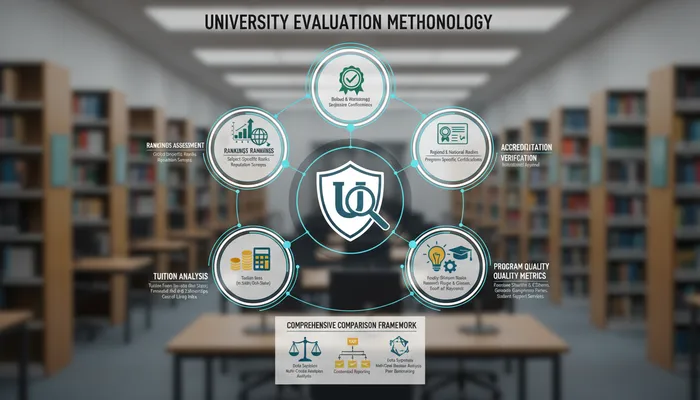
Our comprehensive evaluation process examines multiple factors:
University Reputation
We analyze institutional quality and recognition:
- Rankings: U.S. News, QS, and Times Higher Education university rankings
- Accreditation: Regional accreditation and program-specific certifications
- Faculty expertise: Research credentials and industry experience
- Alumni outcomes: Career advancement and salary data
Program Quality
We assess curriculum rigor and educational value:
- Curriculum comprehensiveness: Course depth and breadth in the field
- Faculty credentials: Terminal degrees and professional accomplishments
- Learning format: Synchronous, asynchronous, or hybrid delivery
- Student support: Academic advising, tutoring, and career services
Tuition & Financial Aid
We evaluate total cost and affordability:
- Tuition rates: Per-credit costs and total program expenses
- Fee transparency: Additional charges and hidden costs
- Financial aid: Scholarships, grants, and loan options
- Payment plans: Installment options and employer reimbursement
Flexibility & Format
We examine learning delivery and accommodation:
- Schedule options: Evening, weekend, and asynchronous availability
- Program duration: Accelerated, standard, and part-time timelines
- Technology platform: Learning management system quality
- Residency requirements: Fully online vs. hybrid formats
Understanding Online Master’s Degrees
Types of Online Master’s Programs
- Fully online: 100% virtual with no campus visits required
- Hybrid: Combination of online coursework with brief on-campus sessions
- Synchronous: Live classes at scheduled times via video conferencing
- Asynchronous: Self-paced study with flexible deadlines
Popular Online Master’s Degrees
- MBA: Business administration for leadership and management roles ($40,000-$100,000)
- MS Computer Science: Software engineering and technology careers ($25,000-$70,000)
- MS Data Science: Analytics and machine learning positions ($25,000-$70,000)
- MS Nursing: Advanced practice nursing and healthcare leadership ($20,000-$50,000)
- MS Education: Teaching, administration, and curriculum development ($15,000-$40,000)
Frequently Asked Questions
Are online master’s degrees respected by employers?
Yes, online master’s degrees from accredited universities are widely respected by employers, especially when from established institutions like USC, Johns Hopkins, Georgia Tech, and Penn State. The diploma typically doesn’t indicate the degree was earned online, and employers value the credential equally.
How long does an online master’s degree take?
Most online master’s programs require 30-36 credit hours and take 18-24 months to complete part-time while working full-time. Accelerated programs can be completed in 12-15 months with intensive study, while part-time students may take 3-4 years depending on course load.
How much does an online master’s degree cost?
Online master’s degree costs range from $7,000 (Georgia Tech Computer Science) to $80,000+ (elite MBA programs). Most quality programs cost $20,000-$50,000 total. Public universities offer the best value for residents, while private universities provide consistent pricing regardless of location.
Can I get financial aid for online master’s programs?
Yes, online master’s students qualify for the same federal financial aid as on-campus students, including federal loans, scholarships, and grants. Many employers also offer tuition reimbursement. Complete the FAFSA to determine eligibility for federal aid programs.
Do I need to take the GRE for online master’s programs?
GRE requirements vary by program. Many online master’s programs have waived GRE requirements, especially for students with strong undergraduate GPAs or professional experience. Boston University’s Data Science program and many business programs no longer require GRE scores.
What’s the difference between online master’s programs at public vs. private universities?
Public universities typically offer lower tuition for in-state residents but higher rates for out-of-state students. Private universities charge the same tuition regardless of residency but often cost more overall. Public institutions like Georgia Tech and UF provide exceptional value, while private schools like USC and Northwestern offer prestigious credentials.
Can I work full-time while earning an online master’s degree?
Yes, most online master’s programs are designed for working professionals. Asynchronous programs offer maximum flexibility, while evening and weekend classes accommodate work schedules. Expect to dedicate 15-20 hours weekly to coursework alongside full-time employment.
How do I know if an online master’s program is accredited?
Check that the university has regional accreditation from organizations recognized by the U.S. Department of Education or Council for Higher Education Accreditation. Also verify program-specific accreditation (like AACSB for business programs). All programs in our rankings are properly accredited.