Article
Top 10 Best Online Colleges in 2026
Find the best accredited online colleges with affordable tuition and quality programs. Compare rankings, costs, and student support from top universities.

Online colleges have transformed higher education, making quality degrees accessible to working adults, parents, military personnel, and anyone seeking flexibility. in 2026, the best online colleges deliver the same rigorous education as traditional campuses, often with better career services and lower costs.
Our team evaluated over 50 accredited online colleges, comparing tuition, program quality, accreditation status, student support, and graduation rates. Here are the best online colleges for every goal and budget.
Quick Comparison
| College | Best For | Tuition | Rating |
|---|---|---|---|
| 1. University of Florida | Best Overall | $15,480 total (FL residents) | ★4.9/5 |
| 2. University of Minnesota | Best Program Variety | Varies by program | ★4.8/5 |
| 3. Florida International University | Best Student Retention | $205/credit (FL residents) | ★4.7/5 |
| 4. Arizona State University | Best for Innovation | $561/credit | ★4.8/5 |
| 5. Southern New Hampshire University | Best Affordability | $320/credit | ★4.7/5 |
| 6. Penn State World Campus | Best Brand Recognition | $632/credit (undergrad) | ★4.8/5 |
| 7. Western Governors University | Best Competency-Based Model | $4,150/6-month term | ★4.7/5 |
| 8. Oregon State University | Best Consistent Quality | $354/credit average | ★4.8/5 |
| 9. Northeastern University | Best for Career Services | $1,575/credit (graduate) | ★4.6/5 |
| 10. Kansas State University | Best for Agriculture & STEM | $257/credit | ★4.6/5 |
Our Top Picks in Detail

University of Florida
University of Florida Online ranks #1 with exceptional value and prestige. Florida residents pay just $15,480 for a complete bachelor's degree from a Top 10 national university—40% less than on-campus tuition. The 94% retention rate proves outstanding student satisfaction.
Pros
- ✓Top 10 national university ranking
- ✓Lowest cost for FL residents ($129/credit)
- ✓Outstanding 94% retention rate
- ✓Same degree as on-campus students
- ✓Transfer up to 60 credits from community colleges
Cons
- ✗Much higher cost for out-of-state students ($500/credit)
- ✗Competitive admissions process
- ✗Limited to 26 bachelor's degree programs

University of Minnesota
University of Minnesota Online offers 140+ programs from a prestigious Big Ten research university. The exceptional variety spans undergraduate, graduate, and certificate programs across nearly every field, with the academic rigor and reputation of a top-tier institution.
Pros
- ✓140+ online and hybrid programs
- ✓Big Ten university prestige
- ✓Strong research institution
- ✓Excellent support services
- ✓Wide range of undergraduate and graduate options
Cons
- ✗Tuition varies significantly by program
- ✗Some programs are hybrid (not fully online)
- ✗Competitive admissions for popular majors

Florida International University
Florida International University boasts an impressive 92% re-enrollment rate, indicating exceptional student satisfaction. As a Hispanic-serving institution in Miami, FIU brings diverse perspectives and strong international programs at affordable rates for Florida residents.
Pros
- ✓Outstanding 92% re-enrollment rate
- ✓Affordable for Florida residents
- ✓Strong Hispanic-serving institution
- ✓International business programs
- ✓Located in diverse Miami metro area
Cons
- ✗Higher cost for out-of-state ($620/credit)
- ✗Fewer programs than largest competitors
- ✗Less nationally recognized brand

Arizona State University
Arizona State University pioneered large-scale online education and has graduated over 100,000 online students. With 320+ degree programs and innovative learning technology, ASU Online delivers world-class education with unmatched variety and flexibility.
Pros
- ✓Largest program selection (320+ total)
- ✓100,000+ successful online graduates
- ✓World-renowned faculty
- ✓Cutting-edge learning technology
- ✓Extensive student support resources
Cons
- ✗Higher tuition than many competitors
- ✗Very large class sizes
- ✗Can feel impersonal due to scale

Southern New Hampshire University
SNHU delivers accredited nonprofit education at the nation's lowest tuition rates. With 160,000+ online students, 200+ programs, and six annual start dates, it's the most accessible option for working adults seeking affordable, career-focused degrees.
Pros
- ✓Lowest tuition rates nationally ($320/credit)
- ✓Nonprofit accredited university
- ✓200+ career-focused programs
- ✓Six start dates per year
- ✓Generous transfer credit policies
Cons
- ✗Less prestigious than top-tier schools
- ✗Massive enrollment (160,000+ students)
- ✗Limited professor interaction

Penn State World Campus
Penn State World Campus delivers a prestigious Penn State degree with no indication it was earned online. With 175+ programs taught by the same expert faculty as on-campus, it's ideal for students seeking a recognized brand that opens doors.
Pros
- ✓Prestigious Penn State brand and network
- ✓No online distinction on diploma
- ✓Same faculty as on-campus programs
- ✓175+ program options
- ✓Featured in U.S. News 2026 rankings
Cons
- ✗Higher tuition costs ($632 undergrad, $1,027 graduate)
- ✗Competitive admissions
- ✗Limited financial aid for some programs
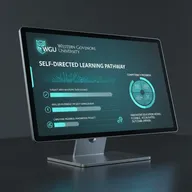
Western Governors University
WGU revolutionized online education with competency-based learning—progress by demonstrating mastery, not by seat time. The $4,150 flat-rate per term means motivated students can accelerate through courses and complete degrees faster and cheaper than anywhere else.
Pros
- ✓Flat-rate tuition (complete unlimited courses)
- ✓Competency-based (advance when ready)
- ✓Average bachelor's degree costs $16,600 total
- ✓No application fee
- ✓Strong IT and healthcare programs
Cons
- ✗Requires exceptional self-discipline
- ✗Limited program areas (focused fields)
- ✗Not ideal for students needing structure

Oregon State University
Oregon State Ecampus has maintained Top 10 national rankings for 11 consecutive years, proving consistent excellence. With 120+ degrees and no out-of-state penalty, OSU delivers reliable quality across all programs from a respected research university.
Pros
- ✓Top 10 rankings for 11 straight years
- ✓#2 in online psychology programs
- ✓#5 in online business programs
- ✓Same tuition for in-state and out-of-state
- ✓120+ quality degree options
Cons
- ✗Tuition varies by program
- ✗Average total cost around $28,327 annually
- ✗Some popular programs have waitlists

Northeastern University
Northeastern University brings its legendary co-op program and career services to online students. While expensive, the strong employer partnerships and focus on experiential learning deliver exceptional employment outcomes worth the investment for many students.
Pros
- ✓Exceptional career services and co-op program
- ✓Strong employer partnerships
- ✓High post-graduation employment rates
- ✓Focus on practical, career-ready skills
- ✓Prestigious private research university
Cons
- ✗Very expensive tuition ($1,575/credit graduate)
- ✗Primarily graduate programs (limited undergrad)
- ✗Requires significant financial investment

Kansas State University
Kansas State excels in agriculture, animal science, engineering, and youth development programs. With affordable tuition at $257/credit and an impressive 97% career placement rate, K-State delivers practical education with strong employment outcomes.
Pros
- ✓Strong agriculture and STEM programs
- ✓Affordable tuition ($257/credit)
- ✓97% career placement rate
- ✓70+ admission rate (accessible)
- ✓Land-grant university mission
Cons
- ✗Smaller program selection (70+ vs. 100+)
- ✗Less well-known nationally
- ✗Rural campus culture may not appeal to all
Understanding Online College Costs
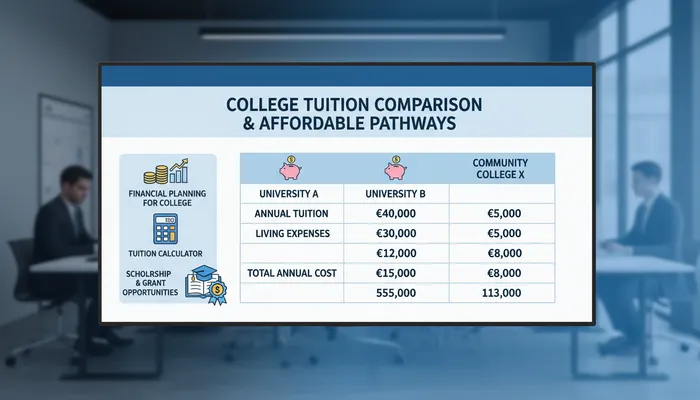
Tuition at online colleges varies dramatically. Here’s what drives the cost:
Public vs. Private Institutions
Public universities (UF, ASU, Oregon State):
- Lower base tuition (especially for residents)
- State funding reduces costs
- May charge different rates for in-state vs. out-of-state
- Typical range: $250-$600 per credit
Private universities (SNHU, Penn State, Northeastern):
- Higher tuition but same rate for all students
- No in-state advantage
- Often more financial aid available
- Typical range: $400-$1,600 per credit
Tuition Structures Explained
Per-Credit Pricing: Most common
- Bachelor’s degree = 120 credits
- Example: $400/credit × 120 = $48,000 total
Flat-Rate Pricing: WGU model
- Pay per term (6 months), take unlimited courses
- Motivated students save significantly
- Example: $4,150 × 4 terms = $16,600 for bachelor’s
Cohort Pricing: Some MBA programs
- Fixed total for entire program
- Predictable budgeting
- Example: University of Illinois iMBA = $26,136 total
Hidden Fees to Watch For
Beyond tuition, consider:
- Technology fees: $50-300 per term
- Course materials: $100-500 per term
- Proctoring fees: $20-50 per exam
- Graduation fees: $100-300
- Application fees: $50-100 (often waived)
What You DON’T Pay
Online students avoid:
- Campus housing ($8,000-15,000/year saved)
- Meal plans ($4,000-6,000/year saved)
- Parking permits ($200-1,000/year saved)
- Commuting costs
Many online students save $15,000+ annually on these expenses.
Types of Online College Programs
Fully Asynchronous
How it works: Complete coursework on your schedule with weekly deadlines
Best for: Working professionals, parents, international students in different time zones
Examples: SNHU, WGU, most programs at UF and ASU
Pros: Maximum flexibility, work anytime Cons: Requires strong self-discipline
Synchronous (Live Classes)
How it works: Attend virtual classes at scheduled times via Zoom/Teams
Best for: Students who want structure and live interaction
Examples: Some programs at Northeastern, Penn State
Pros: Real-time discussion, immediate feedback Cons: Less flexible scheduling
Hybrid Programs
How it works: Combination of online coursework and occasional campus visits
Best for: Students within driving distance of campus
Examples: Many University of Minnesota programs
Pros: Best of both worlds, networking opportunities Cons: Requires travel to campus
Competency-Based
How it works: Progress by demonstrating mastery, not by seat time
Best for: Experienced professionals with prior knowledge
Examples: WGU, some programs at SNHU
Pros: Accelerate through known material, cost-effective Cons: Requires exceptional self-motivation
How We Rank Online Colleges
Our comprehensive evaluation methodology:
Academic Quality (30%)
- Regional accreditation status
- Programmatic accreditation (AACSB, ABET, etc.)
- Faculty credentials and student-to-faculty ratios
- Curriculum rigor and learning outcomes
- U.S. News and other rankings
Affordability (25%)
- Tuition per credit hour
- Total program cost estimates
- Financial aid availability and generosity
- Scholarship opportunities
- Return on investment (graduate earnings vs. cost)
Student Outcomes (20%)
- Graduation rates (% completing degrees)
- Retention rates (first-year return)
- Time to degree completion
- Job placement statistics
- Graduate salary data
Student Support (15%)
- Academic advising availability
- Technical support responsiveness
- Career services access
- Library and research resources
- Disability accommodations
Flexibility (10%)
- Number of start dates per year
- Asynchronous vs. synchronous options
- Transfer credit policies
- Pace options (full-time, part-time, accelerated)
- Course availability
Choosing the Right Online College
For Florida Residents
Top choice: University of Florida ($129/credit)
The value is unbeatable at just $15,480 for a complete bachelor’s degree from a Top 10 university. FIU is also excellent at $205/credit.
For Out-of-State Students on a Budget
Top choice: SNHU ($320/credit) or WGU ($4,150/term)
SNHU offers the lowest per-credit rate regardless of residency. WGU’s competency model can be even cheaper if you accelerate.
For Maximum Prestige
Top choice: Penn State World Campus or University of Florida
Penn State offers the strongest national brand recognition, while UF combines prestige with value (especially for FL residents).
For Career Changers
Top choice: WGU (competency-based) or ASU (program variety)
WGU lets you accelerate through material you already know. ASU offers 320+ programs so you can find the perfect match for your new career.
For Working Professionals
Top choice: SNHU, WGU, or ASU
Look for:
- Asynchronous classes (work on your schedule)
- Multiple start dates (6-8 per year)
- Generous transfer credit policies
- Evening/weekend support services
For STEM Fields
Top choice: Oregon State, Arizona State, Kansas State
These schools excel in computer science, engineering, and STEM programs with strong online delivery.
For Graduate Students
Top choice: University of Illinois (business), Northeastern (career focus), Penn State (variety)
Graduate students should prioritize program-specific rankings and AACSB/AACP accreditation for business and healthcare programs.
Accreditation: What You Must Know
Regional Accreditation (Required)
All schools in our Top 10 have regional accreditation from:
- Higher Learning Commission (HLC)
- Middle States Commission on Higher Education (MSCHE)
- New England Commission of Higher Education (NECHE)
- Northwest Commission on Colleges and Universities (NWCCU)
- Southern Association of Colleges and Schools Commission on Colleges (SACSCOC)
Why it matters:
- Required for federal financial aid
- Ensures quality standards
- Credits transfer between schools
- Employers recognize and respect degrees
Programmatic Accreditation (Bonus)
Additional accreditation for specific fields:
- AACSB: Business schools (top 5% worldwide)
- ABET: Engineering and technology
- CCNE/ACEN: Nursing programs
- CACREP: Counseling programs
- CSWE: Social work
Why it matters:
- Signals exceptional program quality
- May be required for professional licensure
- Strengthens resume and job prospects
Verifying Accreditation
Always check:
- Visit ope.ed.gov/dapip (U.S. Department of Education database)
- Confirm the school appears with correct accreditor
- Verify accreditation is current (not expired or provisional)
- Watch for fake accreditors not recognized by DOE
Financial Aid for Online Students
Online students at accredited schools qualify for:
Federal Financial Aid
- Pell Grants: Up to $7,395/year (2024-25) for undergraduates
- Federal student loans: Up to $12,500/year (dependent students) or $20,500/year (independent)
- Work-study: Virtual positions available at some schools
How to apply: Complete the FAFSA at studentaid.gov
Scholarships
Many schools offer online-specific scholarships:
- New student scholarships ($500-5,000)
- Transfer student scholarships
- Military and veteran scholarships
- Need-based and merit-based awards
Employer Tuition Assistance
56% of employers offer education benefits:
- Average benefit: $5,250/year (tax-free limit)
- Some employers cover full tuition
- Ask HR about tuition reimbursement programs
Military Benefits
- GI Bill: Covers full tuition at public schools
- Tuition Assistance: Up to $4,500/year active duty
- Yellow Ribbon Program: Additional funding at private schools
- VR&E benefits: Vocational rehabilitation
Frequently Asked Questions
Are online colleges accredited the same as traditional colleges?
Yes. All colleges in our Top 10 have full regional accreditation—the same accreditation as traditional on-campus programs. The accreditation process doesn’t distinguish between online and on-campus delivery; it evaluates the institution as a whole.
Will employers know my degree was earned online?
Top schools like Penn State, University of Florida, and Oregon State don’t indicate “online” on diplomas—you receive the same degree as campus students. Even when employers know a degree was earned online, recent surveys show most view accredited online degrees as equivalent to traditional degrees.
How long does an online bachelor’s degree take?
Typically 4 years for 120 credits if studying full-time. However, many online students complete faster by:
- Transferring community college credits (up to 60 credits)
- Taking courses year-round (no summer break)
- Attending full-time while working (12-15 credits/term)
- Using competency-based programs (WGU) to accelerate
Many working adults complete bachelor’s degrees in 2-3 years.
Can I transfer my community college credits?
Yes. Most online colleges accept transfer credits from regionally accredited community colleges. Typical policies:
- Up to 60 credits transfer toward bachelor’s (2 years)
- Must have earned C or better
- Credits must be from accredited institutions
- Some programs have specific course requirements
This can save $15,000-30,000 on your degree.
Do online colleges offer financial aid?
Yes. Students at regionally accredited online colleges qualify for federal financial aid (Pell Grants, student loans), state grants (in some states), institutional scholarships, and employer tuition assistance. Complete the FAFSA to determine eligibility.
What’s the cheapest accredited online college?
For most students, SNHU at $320/credit ($38,400 total). For Florida residents, University of Florida at $129/credit ($15,480 total). For motivated self-directed learners, WGU’s competency-based model averages $16,600 total.
Do I ever have to visit campus?
Most programs are 100% online with no campus visits required. Exceptions include:
- Orientation (often optional or virtual)
- Clinical/practicum requirements (nursing, teaching, counseling)
- Intensive residencies (some doctoral programs)
- Final exams (usually can be proctored locally)
Check specific program requirements before enrolling.
Can I complete an online degree while working full-time?
Yes. Most online students work full-time while studying. Asynchronous programs let you complete coursework evenings and weekends. Expect to dedicate 15-20 hours per week for full-time enrollment (12 credits), or take fewer courses per term and extend your timeline.