Article
Best Medical Alert Systems in 2025
Stay safe and independent with 24/7 emergency monitoring. Our experts compared response times, coverage options, and pricing to find the best medical alert systems for seniors.
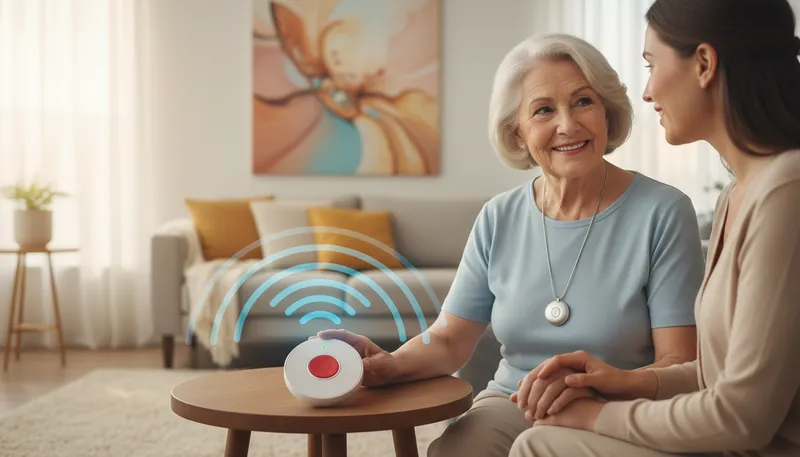
A medical emergency can happen anywhere, anytime. Medical alert systems provide 24/7 access to emergency monitoring, giving seniors the independence to live safely at home while providing peace of mind for family members.
Our team tested response times, evaluated device options, and compared pricing across the leading medical alert providers. Here are the best systems for 2025.
Quick Comparison
| Company | Best For | Monthly From | Rating |
|---|---|---|---|
| 1. Medical Guardian | Best Overall | $32.95/mo | ★4.9/5 |
| 2. Bay Alarm Medical | Best Value | $24.95/mo | ★4.8/5 |
| 3. LifeFone | Best for Mobile Users | $24.95/mo | ★4.7/5 |
| 4. MobileHelp | Best for Range | $24.95/mo | ★4.6/5 |
| 5. Life Alert | Most Recognized Brand | $49.95/mo | ★4.3/5 |
Our Top Picks in Detail

Medical Guardian
Medical Guardian leads the industry with exceptional response times and innovative device options. Their MGMove smartwatch and MGMini GPS tracker provide versatile protection for active seniors, while in-home systems offer industry-leading range.
Pros
- ✓Fastest response time (20 seconds average)
- ✓Five device options including smartwatch
- ✓Enhanced two-way audio quality
- ✓Smart Voice Assist for hands-free calling
- ✓20+ years in business, 615,000+ customers
Cons
- ✗Equipment fees now separate ($150+)
- ✗Fall detection costs extra $10/month
- ✗Higher pricing than some competitors

Bay Alarm Medical
Bay Alarm Medical delivers exceptional value with transparent pricing and no hidden fees. Their unique two-for-one couples coverage and month-to-month flexibility make them ideal for budget-conscious seniors.
Pros
- ✓Most affordable starting at $24.95/month
- ✓Free spouse/partner monitoring included
- ✓No activation fees or long-term contracts
- ✓15-day money-back guarantee
- ✓Highest Consumer Reports satisfaction rating
Cons
- ✗In-home range fell short in testing (200 ft vs 1,000 ft claimed)
- ✗Fall detection costs extra $10/month
- ✗Smartwatch battery only 16 hours
LifeFone
LifeFone stands out with zero equipment fees and a lifetime price guarantee. Their affordable plans, exceptional warranties, and strong reputation make them a smart long-term investment for active seniors.
Pros
- ✓No equipment, activation, or restocking fees
- ✓Lifetime warranty on all equipment
- ✓Price lock guarantee (rates never increase)
- ✓Fast 25-second average response time
- ✓Since 1976, A+ BBB rating
Cons
- ✗Fall detection costs extra $5/month
- ✗Limited customization options
- ✗Fewer device choices than competitors

MobileHelp
MobileHelp excels with the longest in-home range in the industry and comprehensive device bundles. Their transparent pricing and lifetime warranty provide exceptional value for large homes and properties.
Pros
- ✓Industry-best 1,400-foot in-home range
- ✓No hidden fees or equipment charges
- ✓30-day money-back guarantee
- ✓Lifetime warranty on equipment
- ✓Fast 17-26 second response times
Cons
- ✗Fall detection costs extra $11/month
- ✗Text alerts cost additional $2.99/month
- ✗Higher add-on costs
Life Alert
Life Alert remains the most recognized name in medical alerts, but high prices and restrictive contracts make them less competitive. Their extensive experience and premium monitoring centers appeal to those who prioritize brand recognition.
Pros
- ✓Most recognized brand name
- ✓Five Diamond monitoring certification
- ✓Covers fire and home intrusion alerts
- ✓7-year battery life on pendants
- ✓Over 40 years in business
Cons
- ✗Expensive ($49.95-$89.95/month)
- ✗Requires 3-year contract
- ✗No fall detection available
- ✗High activation fees ($98-$198)
- ✗Aggressive sales tactics reported
How We Evaluate Medical Alert Systems

Our comprehensive testing process examines every aspect of medical alert services:
Response Time Testing
We measure real-world emergency response:
- Connection speed: Time to reach live dispatcher
- Audio quality: Clarity of two-way communication
- Dispatcher training: Professionalism and protocol adherence
- Call consistency: Performance across multiple test calls
Coverage and Range
We verify device performance in real conditions:
- In-home range: Actual distance vs. advertised claims
- GPS accuracy: Mobile device location precision
- Connectivity reliability: Signal strength and consistency
- Backup systems: Cellular vs. landline performance
Pricing Analysis
We break down the total cost of ownership:
- Monthly monitoring fees and payment options
- Equipment costs and activation fees
- Add-on features (fall detection, caregiver apps)
- Contract requirements and cancellation policies
Features and Technology
We evaluate innovation and functionality:
- Device variety (pendants, watches, mobile units)
- Fall detection accuracy and sensitivity
- Battery life and charging convenience
- Mobile apps and caregiver notifications
Types of Medical Alert Systems
In-Home Systems
Traditional base station units for home protection:
- Landline: Connects through home phone line (most affordable)
- Cellular: Uses cellular network (no landline required)
- Range: Covers home and yard (600-1,400 feet typical)
- Best for: Seniors who spend most time at home
Mobile GPS Systems
Portable protection for active seniors:
- GPS tracking: Pinpoint location anywhere
- Nationwide coverage: 4G LTE cellular network
- Compact design: Pendant or small clip-on devices
- Best for: Active seniors who travel frequently
Medical Alert Smartwatches
Modern wearables with emergency features:
- All-in-one device: Watch, phone, and alert system
- Activity tracking: Steps, heart rate monitoring
- Two-way calling: Speak directly through watch
- Best for: Tech-savvy seniors wanting modern design
Key Features to Consider
Automatic Fall Detection
Advanced sensors detect falls and alert monitoring:
- Works even if unable to press button
- Typically costs $5-$11/month extra
- May have false positives/negatives
- Essential for high fall-risk individuals
GPS Location Tracking
Know exactly where help is needed:
- Critical for mobile devices
- Helps emergency services locate quickly
- Some use Wi-Fi backup for indoor accuracy
- Standard on most mobile systems
Two-Way Communication
Speak directly with monitoring center:
- Quality varies significantly by provider
- Enhanced audio technology improves clarity
- Works through base station or wearable device
- Essential for getting proper help
Battery Backup
Protection during power outages:
- In-home systems: 24-32 hours typical
- Mobile devices: 1-5 days per charge
- Some pendants: 5-7 year non-rechargeable batteries
- Critical for reliability
Frequently Asked Questions
How much do medical alert systems cost?
Medical alert systems typically cost $25-$50/month for basic in-home monitoring and $35-$50/month for mobile GPS systems. Equipment fees range from $0-$200, and fall detection adds $5-$11/month. Watch for activation fees and contract requirements that affect total cost.
Do medical alert systems work without a landline?
Yes, most modern systems use cellular connections and don’t require a landline. Cellular systems cost slightly more ($5-$10/month) but offer greater reliability since they work during power outages and aren’t affected by phone service issues.
What is the difference between medical alert and fall detection?
Medical alert systems require you to press a button to call for help. Fall detection uses sensors to automatically detect falls and alert monitoring even if you can’t reach the button. Fall detection is an add-on feature ($5-$11/month) that’s especially valuable for those at high fall risk.
Can I use a medical alert system away from home?
Yes, mobile medical alert systems with GPS work nationwide anywhere there’s cellular coverage. These portable devices clip to your belt or wear as a pendant, providing protection while shopping, walking, traveling, or visiting family.
How fast is the response time for medical alerts?
Top providers average 15-30 seconds to connect with a live dispatcher. Medical Guardian leads with 20-second average response, while most quality providers respond within 30 seconds. Avoid providers with response times over 45 seconds.
Will Medicare pay for a medical alert system?
Traditional Medicare doesn’t cover medical alert systems. However, some Medicare Advantage plans include coverage or discounts. Check with your specific plan. Veterans may qualify for coverage through VA benefits. Some systems are HSA/FSA eligible.
What happens if I accidentally press the button?
Simply tell the dispatcher it was an accident when they call. There’s no penalty for false alarms. It’s better to test the system and accidentally trigger it than to hesitate in a real emergency. Most providers encourage monthly testing.
Can two people share one medical alert system?
Many providers offer couples coverage. Bay Alarm Medical provides free monitoring for a spouse (you only pay for their wearable button). Most systems can support multiple users with additional pendants ($30-$50 each).