Article
Best Life Alert Systems in 2026
Compare the top alternatives to Life Alert for seniors. We analyzed response times, pricing, and features across leading medical alert systems to find better value options with modern technology.
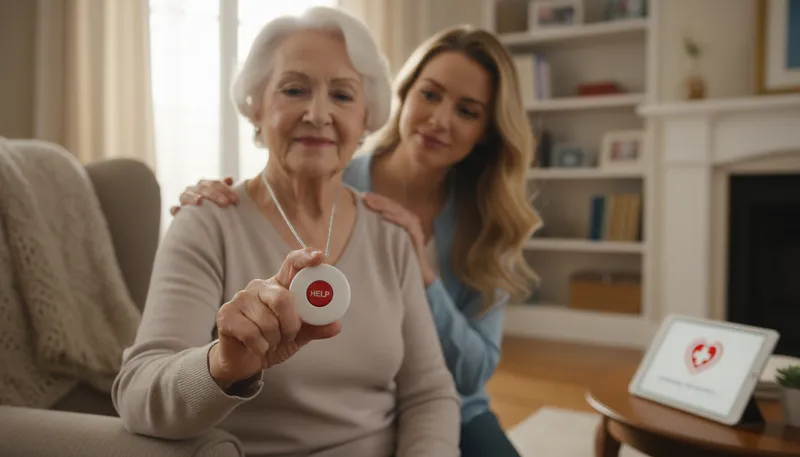
When searching for “Life Alert,” many seniors are really asking: “What’s the best medical alert system?” While Life Alert pioneered the industry with their famous “I’ve fallen and I can’t get up” commercials, today’s market offers superior alternatives with better technology, lower prices, and no restrictive contracts.
Our team compared Life Alert against leading competitors, analyzing response times, total costs, contract terms, and modern features. Here are the best Life Alert alternatives for 2026.
Quick Comparison
| Company | Best For | Monthly From | vs Life Alert |
|---|---|---|---|
| 1. Medical Guardian | Best Overall Alternative | $32.95/mo | Better Value |
| 2. Bay Alarm Medical | Best Value Alternative | $24.95/mo | Better Value |
| 3. MobileHelp | Best for No Hidden Fees | $24.95/mo | Better Value |
| 4. LifeStation | Best for Caregivers | $35.95/mo | Better Value |
| 5. LifeFone | Best Price Lock Guarantee | $24.95/mo | Better Value |
Our Top Picks in Detail

Medical Guardian
Medical Guardian outperforms Life Alert with faster response times, modern smartwatch options, and no 3-year contract. Their innovative technology and flexible terms make them the top alternative for seniors seeking better value and features.
Pros
- ✓20-second average response time (faster than Life Alert)
- ✓MGMove smartwatch with fitness tracking
- ✓No long-term contracts (90-day minimum)
- ✓Enhanced two-way audio with Smart Voice Assist
- ✓Five device options vs Life Alert's three
Cons
- ✗Equipment fees $149.95-$199.95
- ✗Fall detection costs extra $10/month
- ✗90-day minimum commitment required

Bay Alarm Medical
Bay Alarm Medical delivers the same protection as Life Alert at less than half the cost. With no contracts, no activation fees, and free couples coverage, they're ideal for budget-conscious seniors who don't want Life Alert's expensive commitments.
Pros
- ✓$24.95/month vs Life Alert's $69.95+ (saves $540+/year)
- ✓Free spouse/partner monitoring included
- ✓No activation fees (Life Alert charges $245)
- ✓Month-to-month contracts (vs 3-year commitment)
- ✓15-day money-back guarantee
Cons
- ✗In-home range fell short in testing (200 ft actual)
- ✗Fall detection costs extra $10/month
- ✗Smartwatch battery only lasts 16 hours

MobileHelp
MobileHelp eliminates Life Alert's upfront costs while providing superior in-home range. Their transparent pricing, lifetime warranty, and flexible terms offer better long-term value without sacrificing quality or reliability.
Pros
- ✓$0 equipment fees (Life Alert charges $245 upfront)
- ✓Industry-best 1,400-foot in-home range
- ✓17-26 second response times
- ✓Lifetime warranty on equipment
- ✓No long-term contracts required
Cons
- ✗Fall detection costs extra $11/month
- ✗Text alerts cost additional $2.99/month
- ✗Add-on features increase total cost

LifeStation
LifeStation excels for families managing senior care with caregiver-friendly features Life Alert lacks. Text-based location requests and Uber integration provide modern conveniences at a better price than Life Alert's outdated system.
Pros
- ✓13.7-second average response (fastest in industry)
- ✓Text-based location tracking for caregivers
- ✓Uber Health integration for ride assistance
- ✓30-day money-back guarantee vs Life Alert's none
- ✓No long-term contracts required
Cons
- ✗Activation fees $50-$99.95
- ✗Higher monthly cost than some alternatives
- ✗Limited device variety compared to Medical Guardian
LifeFone
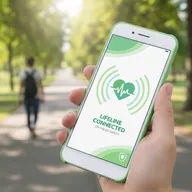
LifeFone's price lock guarantee prevents the rate increases common with multi-year contracts like Life Alert's. With zero fees and lifetime warranties, they provide transparent, predictable costs for long-term peace of mind.
Pros
- ✓Price lock guarantee (rates never increase)
- ✓Zero equipment, activation, or restocking fees
- ✓Lifetime warranty on all equipment
- ✓25-second average response time
- ✓A+ BBB rating, in business since 1976
Cons
- ✗Fall detection costs extra $5/month
- ✗Limited customization options
- ✗Fewer device choices than competitors
GetSafe
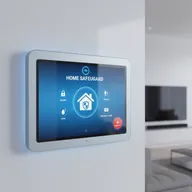
GetSafe brings medical alerts into the smart home era with voice control and automation Life Alert can't match. Their modern approach appeals to tech-comfortable seniors who want 21st-century features at reasonable prices.
Pros
- ✓Voice-activated emergency calling (no button needed)
- ✓Wellness check-ins and activity monitoring
- ✓Modern smart home integration
- ✓No contracts or commitments
- ✓Family portal for caregivers
Cons
- ✗$100 equipment fee
- ✗Requires internet connection
- ✗Newer company with less history

Lively Mobile Plus
Lively focuses on mobile protection with bonus health services Life Alert doesn't offer. Their Urgent Care nurse line and extended battery life provide extra value for active seniors who spend time outside the home.
Pros
- ✓Urgent Care nurse hotline included (24/7 health advice)
- ✓5+ day battery life (vs Life Alert's frequent changes)
- ✓Nationwide GPS coverage anywhere
- ✓No contracts required
- ✓Small, lightweight design
Cons
- ✗Higher monthly cost for add-on features
- ✗Limited in-home options
- ✗Fall detection costs extra
ADT Medical Alert
ADT leverages their security expertise to offer medical alerts with their signature ForeverRate guarantee. While not the cheapest option, their brand trust and price stability appeal to seniors familiar with ADT's reliability.
Pros
- ✓ForeverRate price guarantee (rate locked for life)
- ✓Free equipment ($0 upfront)
- ✓Trusted ADT brand recognition
- ✓Optional fall detection available
- ✓No long-term contracts
Cons
- ✗$99 activation fee
- ✗Higher monthly cost than some alternatives
- ✗Limited device variety
QMedic
QMedic strips away extras to deliver rock-bottom pricing for seniors on tight budgets. While lacking Life Alert's brand recognition, they provide basic emergency monitoring at a fraction of the cost for those who don't need advanced features.
Pros
- ✓Lowest monthly cost at $19.95
- ✓Simple, easy-to-use devices
- ✓Waterproof pendants included
- ✓No contracts required
- ✓Good for basic protection needs
Cons
- ✗Equipment fees $99-$199
- ✗Limited features compared to competitors
- ✗No fall detection available

Life Alert
Life Alert remains the most recognized name in medical alerts, but their high costs, restrictive contracts, and lack of modern features like fall detection make them the least competitive option in 2026. Better alternatives offer more features at lower prices.
Pros
- ✓Most recognized brand name (40+ years)
- ✓Five Diamond monitoring certification
- ✓Covers fire and home intrusion alerts
- ✓7-year battery life on pendants
- ✓Extensive experience and track record
Cons
- ✗Expensive ($69.95-$89.95/month, highest in category)
- ✗Requires 3-year contract ($2,763-$3,483 total)
- ✗No fall detection available
- ✗$245 upfront activation fee
- ✗Aggressive sales tactics reported
Why Consider Life Alert Alternatives?

Life Alert’s High Cost
Life Alert’s in-home system costs $69.95/month with a $245 upfront fee. Over their required 3-year contract, you’ll pay $2,763.20 total. Alternatives like Bay Alarm Medical and MobileHelp start at $24.95/month with no activation fees, saving you $1,620+ over three years.
No Fall Detection
Life Alert doesn’t offer automatic fall detection, the most requested feature among seniors. Since falls can cause unconsciousness, the ability to automatically call for help without pressing a button is critical. All our top alternatives offer this feature.
Restrictive 3-Year Contracts
Life Alert requires a 3-year commitment with no trial period. Most modern providers offer month-to-month plans with 15-30 day money-back guarantees, letting you test the service risk-free.
Limited Modern Features
Life Alert lacks smartwatch options, activity tracking, wellness checks, and caregiver apps that competitors provide. Their technology hasn’t evolved much since the 1980s, while alternatives embrace modern innovations.
How We Evaluate Life Alert Alternatives
Our comprehensive testing process examines:
Total Cost Analysis
We calculate the true 3-year cost including:
- Monthly monitoring fees (comparing month-to-month vs annual)
- Equipment and activation fees
- Add-on costs (fall detection, extra buttons, etc.)
- Contract penalties and hidden charges
Response Time Testing
We measure real emergency response performance:
- Time to connect with live dispatcher
- Audio quality and clarity
- Dispatcher professionalism and training
- Consistency across multiple test calls
Features and Technology
We evaluate modern capabilities:
- Automatic fall detection accuracy
- GPS tracking precision
- Device variety (pendants, watches, mobile)
- Mobile apps and caregiver notifications
- Battery life and charging convenience
Contract Flexibility
We compare terms and conditions:
- Required commitment length
- Trial periods and money-back guarantees
- Cancellation policies and refunds
- Price lock guarantees
Life Alert Cost Breakdown vs Alternatives
| Provider | Monthly | Activation | 3-Year Total | Savings vs Life Alert |
|---|---|---|---|---|
| Life Alert | $69.95 | $245 | $2,763 | — |
| Bay Alarm Medical | $24.95 | $0 | $898 | Save $1,865 |
| MobileHelp | $24.95 | $0 | $898 | Save $1,865 |
| Medical Guardian | $32.95 | $150 | $1,336 | Save $1,427 |
| LifeStation | $35.95 | $100 | $1,394 | Save $1,369 |
Key Features Life Alert Lacks
Automatic Fall Detection
What it is: Sensors automatically detect falls and call for help even if you can’t press the button.
Why it matters: 30% of falls cause injuries severe enough to require medical attention. If you’re unconscious, automatic detection can be life-saving.
Who offers it: Medical Guardian, Bay Alarm Medical, MobileHelp, LifeStation, and most modern providers offer this for $5-$11/month extra.
Life Alert: Does not offer fall detection at any price.
Medical Alert Smartwatches
What it is: Modern wearables that combine emergency alerts with fitness tracking, heart rate monitoring, and two-way calling.
Why it matters: Smartwatches are less stigmatizing than traditional pendants and appeal to active seniors who want discreet protection.
Who offers it: Medical Guardian (MGMove), Bay Alarm Medical, LifeFone, and other modern providers.
Life Alert: Only offers traditional pendants and base stations.
Mobile Apps for Caregivers
What it is: Smartphone apps that let family members monitor device status, receive emergency alerts, and track location.
Why it matters: Caregivers can stay informed without constant phone calls, and receive instant notifications during emergencies.
Who offers it: Most modern providers include caregiver apps at no extra cost.
Life Alert: No mobile app or caregiver portal available.
Wellness Checks and Activity Monitoring
What it is: Optional check-in services that verify well-being through daily activity patterns or scheduled calls.
Why it matters: Provides peace of mind for both seniors and family members between emergencies.
Who offers it: GetSafe, Lively, and premium providers include wellness features.
Life Alert: Does not offer wellness monitoring.
Frequently Asked Questions
Is Life Alert worth the cost?
For most seniors, no. Life Alert costs 2-3x more than equivalent alternatives ($69.95/month vs $24.95-$35.95/month) while lacking modern features like fall detection and smartwatches. The mandatory 3-year contract and $245 activation fee add to the expense. Alternatives offer better value.
What is the cheapest alternative to Life Alert?
Bay Alarm Medical and MobileHelp tie at $24.95/month with no activation fees, saving $1,620+ over three years compared to Life Alert. QMedic offers even lower monthly rates at $19.95/month but charges equipment fees.
Does Life Alert require a landline?
Life Alert offers both landline and cellular options. Their cellular system costs more but works without a home phone. However, most alternatives use cellular as standard without price premiums.
Can I get out of a Life Alert contract?
Life Alert requires a 3-year contract with early termination fees if you cancel. Most alternatives offer month-to-month plans with no long-term commitments, giving you flexibility to cancel anytime.
Does Life Alert offer fall detection?
No. Life Alert does not offer automatic fall detection, the most requested feature among seniors. All our top-rated alternatives (Medical Guardian, Bay Alarm Medical, MobileHelp, etc.) offer fall detection for $5-$11/month extra.
How fast is Life Alert’s response time?
Life Alert advertises fast response but doesn’t publish official times. Independent testing shows Medical Guardian (20 seconds), MobileHelp (17-26 seconds), and LifeStation (13.7 seconds) all deliver verified fast responses.
Will Medicare pay for Life Alert or alternatives?
Traditional Medicare doesn’t cover medical alert systems. However, some Medicare Advantage plans include coverage or discounts. Veterans may qualify through VA benefits. Check with your specific plan for coverage details.
What happens if the power goes out?
Life Alert and all quality alternatives include battery backup (typically 24-48 hours). Cellular-based systems continue working during power outages, while landline systems depend on phone service remaining active.
Can two people use one medical alert system?
Yes. Bay Alarm Medical offers free monitoring for spouses (you only pay for their wearable button). Most providers can add additional pendants for $30-$50 each. This is more cost-effective than Life Alert’s expensive per-person pricing.
Do I need internet for a medical alert system?
No. Most systems use cellular networks and don’t require internet. Some smart home systems like GetSafe need internet, but traditional medical alert systems work independently of your Wi-Fi or internet connection.