Article
Best Free Online Therapy in 2026
Access mental health support without breaking the bank. Our experts evaluated free therapy apps, low-cost counseling services, and no-cost mental health resources for accessible care.

Mental health support shouldn’t be out of reach due to cost. Whether you’re facing financial challenges, lack adequate insurance, or simply want to try therapy without financial commitment, there are quality free and low-cost options available in 2026.
Our team evaluated over 30 free therapy resources, mental health apps, and affordable counseling services, examining professional qualifications, accessibility, evidence-based approaches, and user experiences. Here are the best free and low-cost mental health resources available.
Quick Comparison
| Platform | Best For | Cost | Type | Rating |
|---|---|---|---|---|
| 1. 7 Cups | Best Free Emotional Support | Free | Peer Support | ★4.6/5 |
| 2. Open Path Collective | Best Low-Cost Professional Therapy | $10/week | Professional | ★4.8/5 |
| 3. NAMI Helpline | Best Free Mental Health Information | Free | Crisis/Info | ★4.7/5 |
| 4. SAMHSA National Helpline | Best Free Crisis Support | Free | Crisis/Info | ★4.6/5 |
| 5. Moodfit | Best Free Mental Health App | Free | Self-Help App | ★4.5/5 |
| 6. Happify | Best Free Positive Psychology App | Free | Self-Help App | ★4.4/5 |
| 7. MindShift CBT | Best Free Anxiety and Depression App | Free | Self-Help App | ★4.6/5 |
| 8. Calm (Free Tier) | Best Free Meditation and Relaxation | Free | Self-Help App | ★4.5/5 |
| 9. Headspace (Free Basics) | Best Free Mindfulness Training | Free | Self-Help App | ★4.5/5 |
| 10. Crisis Text Line | Best Free Crisis Intervention | Free | Crisis/Info | ★4.8/5 |
Our Top Picks in Detail

7 Cups
7 Cups offers completely free emotional support through trained volunteer listeners available 24/7 via text chat. While not professional therapy, it provides valuable peer support for those needing someone to talk to without cost barriers.
Pros
- ✓Completely free emotional support 24/7
- ✓Anonymous and confidential
- ✓Trained volunteer listeners available instantly
- ✓Community support groups and forums
- ✓No barriers to getting started
Cons
- ✗Not professional therapy (peer support only)
- ✗Listeners cannot diagnose or provide treatment
- ✗Quality varies by volunteer listener
Open Path Collective
Open Path Collective is a nonprofit making professional therapy accessible to those without adequate insurance, offering sessions at $40-70 ($30 with interns) after a one-time $65 membership fee for lifetime access.
Pros
- ✓Sessions $40-70 (student interns $30)
- ✓Licensed professional therapists
- ✓One-time $65 lifetime membership
- ✓Nationwide directory of providers
- ✓Mission to close mental health gap
Cons
- ✗$65 one-time membership fee required
- ✗Only for those without adequate insurance
- ✗Provider availability varies by location
NAMI Helpline
NAMI (National Alliance on Mental Illness) provides free mental health information, support groups, and a helpline for anyone seeking guidance about mental health conditions, treatment options, and available services.
Pros
- ✓Completely free helpline (phone and text)
- ✓Free support groups nationwide
- ✓Mental health education and resources
- ✓Family support programs included
- ✓Advocacy and community connection
Cons
- ✗Not professional therapy or counseling
- ✗Information and referral service only
- ✗Cannot provide treatment or diagnosis
SAMHSA National Helpline
SAMHSA operates a free 24/7 National Helpline offering confidential support and treatment referrals for individuals and families dealing with mental health and substance use concerns.
Pros
- ✓Free 24/7 confidential helpline
- ✓Mental health and substance abuse support
- ✓Treatment referrals and information
- ✓Government-backed reliability
- ✓No judgment or barriers to access
Cons
- ✗Referral service only (not therapy)
- ✗Cannot provide direct treatment
- ✗May have wait times during high volume
Moodfit
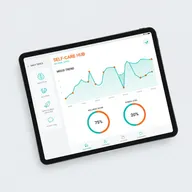
Moodfit is a free mental wellness app offering mood tracking, goal setting, and customized insights based on your data. It encourages users to consider various aspects of wellbeing from sleep patterns to physical exercise.
Pros
- ✓Completely free mental wellness app
- ✓Comprehensive mood tracking
- ✓Customized insights based on your data
- ✓Goal setting and progress monitoring
- ✓Encourages holistic wellbeing approach
Cons
- ✗Not professional therapy or counseling
- ✗Self-guided only (no therapist support)
- ✗Requires self-motivation and consistency

Happify
Happify uses evidence-based interventions from positive psychology and CBT through engaging activities and games to boost overall happiness and reduce stress, with a free tier available for basic features.
Pros
- ✓Free evidence-based activities and games
- ✓CBT and positive psychology methods
- ✓Engaging interactive approach
- ✓Builds emotional resilience over time
- ✓Reduces stress and boosts happiness
Cons
- ✗Premium features require subscription
- ✗Not professional therapy
- ✗Gamification may not appeal to everyone
MindShift CBT
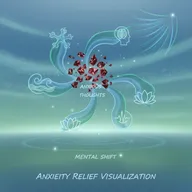
MindShift CBT is a completely free app offering interactive CBT techniques for anxiety and depression. Developed by Anxiety Canada, it provides evidence-based tools without ads or in-app purchases.
Pros
- ✓Completely free CBT-based app
- ✓Specifically for anxiety and depression
- ✓Interactive CBT techniques
- ✓Evidence-based approach
- ✓No ads or in-app purchases
Cons
- ✗Self-guided only (no therapist)
- ✗Not suitable for severe mental illness
- ✗Requires active engagement and practice
Calm (Free Tier)
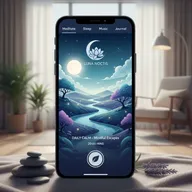
Calm offers a free tier with basic meditation, sleep, and relaxation content. While most features require a subscription, the free version provides quality guided sessions for stress relief and mindfulness.
Pros
- ✓Free basic meditation and sleep content
- ✓Guided meditation sessions
- ✓Sleep stories and relaxation tools
- ✓High-quality production value
- ✓Stress and anxiety relief focus
Cons
- ✗Most content requires paid subscription
- ✗Limited free tier features
- ✗Not therapy or professional support

Headspace (Free Basics)
Headspace offers free basics courses teaching foundational mindfulness and meditation skills. While limited compared to the paid version, the free tier provides quality instruction for beginners seeking stress management tools.
Pros
- ✓Free basics course for beginners
- ✓High-quality meditation instruction
- ✓Teaches foundational mindfulness skills
- ✓User-friendly interface
- ✓Stress relief and mental clarity
Cons
- ✗Very limited free content
- ✗Full features require subscription
- ✗Not professional therapy or counseling
Crisis Text Line
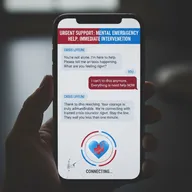
Crisis Text Line provides free 24/7 crisis intervention via text message. Trained counselors respond to anyone in crisis, offering suicide prevention support and mental health emergency assistance through confidential texting.
Pros
- ✓Completely free 24/7 crisis support
- ✓Text-based (discreet and accessible)
- ✓Trained crisis counselors respond
- ✓Suicide prevention and intervention
- ✓Confidential and anonymous
Cons
- ✗Crisis support only (not ongoing therapy)
- ✗Text message format only
- ✗For emergencies, not regular counseling
How We Evaluate Free Mental Health Resources
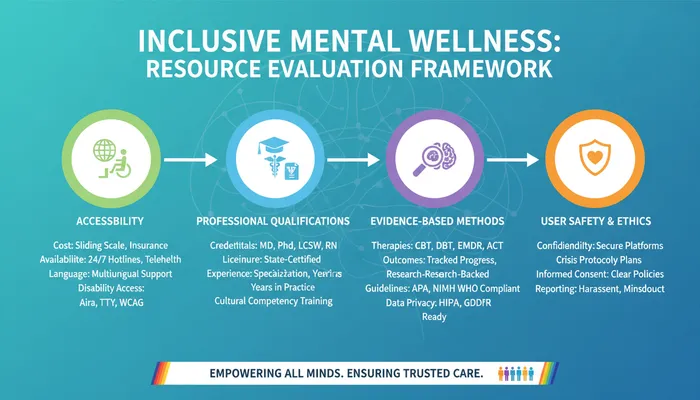
Our comprehensive evaluation process examines critical factors for free and low-cost mental health resources:
Professional Qualifications
We distinguish between different types of support:
- Licensed therapy: Professional counselors, therapists, and psychologists
- Trained support: Crisis counselors and peer support with formal training
- Peer support: Volunteer listeners and community support
- Self-help tools: Evidence-based apps and resources for independent use
Accessibility and Barriers
We evaluate how easy it is to access support:
- Cost barriers: Truly free vs. one-time fees vs. low-cost options
- Eligibility: Requirements for income verification or insurance status
- Availability: 24/7 access vs. scheduled availability
- Technology: App requirements, internet needs, device compatibility
Evidence-Based Approaches
We verify that resources use proven methods:
- CBT techniques: Cognitive behavioral therapy principles
- Positive psychology: Research-backed happiness interventions
- Crisis intervention: Established suicide prevention protocols
- Peer support models: Effective community support structures
Safety and Quality
We assess user protection and service quality:
- Privacy: Confidentiality and data protection
- Training: Qualifications of listeners, counselors, or crisis responders
- Limitations: Clear boundaries of what service can and cannot provide
- Referrals: Connections to professional care when needed
Understanding Free vs. Low-Cost Mental Health Support
Types of Free Mental Health Support
Completely Free ($0):
- Peer support (7 Cups, peer-led groups)
- Crisis helplines (SAMHSA, Crisis Text Line, 988 Suicide Prevention)
- Self-help apps (Moodfit, MindShift CBT, limited Calm/Headspace)
- Information services (NAMI Helpline)
Low-Cost ($10-70 per session):
- Open Path Collective ($40-70/session, $65 lifetime membership)
- Community mental health centers (sliding scale fees)
- Training clinics (graduate student therapists at reduced rates)
- Online platforms with financial aid (BetterHelp, Talkspace assistance programs)
When Free Resources Are Appropriate
Free mental health resources work well for:
- Mild to moderate symptoms
- Emotional support and someone to talk to
- Learning coping skills and self-help techniques
- Crisis intervention and immediate support
- Connecting with community and reducing isolation
- Supplementing professional therapy
When to Seek Professional Therapy
Consider paid professional therapy for:
- Moderate to severe mental health conditions
- Need for diagnosis and treatment planning
- Medication management requirements
- Trauma or complex mental health issues
- Lack of improvement with self-help methods
- Suicidal thoughts or severe distress
Frequently Asked Questions
Is free online therapy really free?
Some services like 7 Cups, NAMI Helpline, SAMHSA, and Crisis Text Line are completely free with no hidden costs. Open Path Collective charges a one-time $65 membership but then offers sessions at $40-70 forever. Free therapy apps may have premium features requiring payment, but basic versions are free.
Is free therapy as good as paid therapy?
Free peer support and self-help apps can be very helpful for mild symptoms and emotional support, but they are not equivalent to licensed professional therapy. Open Path Collective offers licensed therapists at reduced rates, providing professional care quality at affordable prices.
How can I get free professional therapy?
Options include: Open Path Collective ($40-70 sessions with $65 lifetime membership), community mental health centers with sliding scale fees, university training clinics, insurance-covered platforms like Talkspace, Medicaid coverage through Grow Therapy, and financial aid programs from BetterHelp.
What’s the difference between 7 Cups and professional therapy?
7 Cups provides peer support from trained volunteers who offer emotional support and listening. They cannot diagnose, provide treatment plans, or practice therapy. Professional therapy involves licensed mental health professionals who can diagnose, treat mental health conditions, and provide evidence-based therapeutic interventions.
Are free mental health apps effective?
Evidence-based free apps like MindShift CBT, Moodfit, and Happify can be effective for mild symptoms, stress management, and building mental wellness skills. Research shows they work best as supplements to professional care or for those with subclinical symptoms.
Can I use free resources if I have insurance?
Yes, you can use free resources like 7 Cups, mental health apps, and helplines regardless of insurance status. However, if you have insurance, you may qualify for low or no-cost professional therapy through platforms like Talkspace, Doctor On Demand, or Grow Therapy.
What if I’m in crisis and can’t afford therapy?
If you’re in crisis, call or text the 988 Suicide & Crisis Lifeline (call 988 or text “HELLO” to 741741 for Crisis Text Line). These services are completely free, confidential, and available 24/7. SAMHSA’s National Helpline (1-800-662-HELP) also offers free crisis support and treatment referrals.
How do I know if a free resource is legitimate and safe?
Look for: clear privacy policies, transparent information about who provides support (credentials or training), established organizations (NAMI, SAMHSA are government/nonprofit backed), evidence-based approaches, and appropriate boundaries about what the service can and cannot provide.