Article
Best Dog Food Brands in 2026
Comprehensive guide to the top dog food brands recommended by veterinarians and nutritionists. We researched quality, nutrition, and safety to help you choose the best food for your dog.

Choosing the right dog food brand can feel overwhelming with hundreds of options on store shelves. The best brands combine quality ingredients, scientific formulation, and proven nutrition to support your dog’s health throughout every life stage.
Our team researched and compared the top dog food brands, analyzing ingredient quality, nutritional formulation, veterinary recommendations, scientific backing, and real-world results. Here are the best dog food brands you can trust in 2026.
Quick Comparison
| Brand | Best For | Price/Day | Rating |
|---|---|---|---|
| 1. Purina Pro Plan | Best Overall Brand | $1.50-$3.50/day | ★4.9/5 |
| 2. Hill's Science Diet | Best for Science-Backed Nutrition | $2-$4/day | ★4.8/5 |
| 3. Royal Canin | Best for Breed-Specific Formulas | $2.50-$4.50/day | ★4.8/5 |
| 4. Blue Buffalo | Best Natural Ingredients | $2-$3.50/day | ★4.6/5 |
| 5. Wellness | Best for Holistic Nutrition | $2-$3.50/day | ★4.5/5 |
| 6. Taste of the Wild | Best Grain-Free Value | $1.50-$2.50/day | ★4.5/5 |
| 7. Orijen | Best Biologically Appropriate | $3-$5/day | ★4.4/5 |
| 8. Diamond Naturals | Best Budget Option | $1-$2/day | ★4.3/5 |
| 9. Rachael Ray Nutrish | Best Celebrity Brand Value | $1.50-$2.50/day | ★4.2/5 |
| 10. Pedigree | Best Mass-Market Value | $0.75-$1.50/day | ★4/5 |
Our Top Picks in Detail

Purina Pro Plan
Purina Pro Plan leads the market as the most recommended brand by veterinarians with over 80 formulas backed by extensive scientific research. As the largest pet food company in the US, they offer unmatched selection including specialized Veterinary Diets for specific health conditions.
Pros
- ✓Largest selection with 80+ formulas
- ✓Board-certified nutritionist formulated
- ✓Veterinary Diets collection for health issues
- ✓Extensive scientific research backing
- ✓No reported DCM cases
- ✓Available everywhere
Cons
- ✗Can be overwhelming with so many options
- ✗Some formulas contain chicken by-products
- ✗Mid-tier pricing not cheapest option

Hill's Science Diet
Hill's Science Diet sets the gold standard for veterinary-backed nutrition with decades of clinical research and development. Their 40+ recipes and extensive Prescription Diet line make them the go-to choice for dogs with specific health needs requiring therapeutic nutrition.
Pros
- ✓Trusted by veterinarians for decades
- ✓Extensive clinical research backing
- ✓Wide prescription diet range
- ✓High-quality ingredient standards
- ✓No DCM cases reported
- ✓Excellent digestibility
Cons
- ✗Premium pricing 10-20% higher than competitors
- ✗Some formulas use chicken meal
- ✗Less variety than Purina Pro Plan

Royal Canin
Royal Canin delivers the most precise breed and size-specific nutrition with over 100 tailored formulas. Their scientific approach creates exact nutrient profiles for breeds ranging from Yorkshire Terriers to German Shepherds, making them ideal for owners seeking optimized breed-specific nutrition.
Pros
- ✓Most extensive breed-specific formulas
- ✓Precise nutrient profiles for each formula
- ✓No DCM cases reported
- ✓High digestibility ratings
- ✓Strong veterinary recommendation
- ✓Excellent for specific health conditions
Cons
- ✗Most expensive of the big three brands
- ✗Some use chicken by-product meal
- ✗Premium pricing 5-15% above Hill's

Blue Buffalo
Blue Buffalo champions natural nutrition with real meat as the first ingredient and their signature LifeSource Bits containing antioxidants and vitamins. Their commitment to avoiding chicken by-product meals and offering multiple product lines makes them popular with owners seeking natural ingredients.
Pros
- ✓Real meat as first ingredient in all formulas
- ✓LifeSource Bits with antioxidants and vitamins
- ✓No chicken/poultry by-product meals
- ✓Natural ingredients focus
- ✓Tens of thousands of 5-star reviews
- ✓Multiple product lines
Cons
- ✗Had recall history in past years
- ✗Premium pricing for natural ingredients
- ✗Some formulas linked to DCM concerns (grain-free)

Wellness
Wellness delivers holistic nutrition with whole food ingredients, probiotics, and no artificial preservatives or meat by-products. Their Complete Health, CORE, and Simple lines address various dietary needs while maintaining commitment to quality ingredients and digestive health support.
Pros
- ✓High-quality whole food ingredients
- ✓Includes probiotics for digestive health
- ✓No meat by-products, fillers, or artificial preservatives
- ✓Veterinarian recommended
- ✓Excellent for sensitive stomachs
- ✓Strong customer loyalty
Cons
- ✗Higher price point than mainstream brands
- ✗Limited availability in some areas
- ✗Some grain-free formulas have DCM concerns

Taste of the Wild
Taste of the Wild provides affordable grain-free nutrition with novel proteins like bison, venison, and wild boar at prices significantly lower than premium competitors. Their high-protein formulas appeal to owners seeking ancestral-style diets without premium price tags.
Pros
- ✓Affordable grain-free option
- ✓Novel proteins (bison, venison, wild boar)
- ✓High protein content
- ✓Nutrient-balanced at good price
- ✓No corn, wheat, or filler ingredients
- ✓Strong ratings from pet parents
Cons
- ✗Grain-free formulas may have DCM concerns
- ✗Less scientific research than vet brands
- ✗Limited prescription or therapeutic options
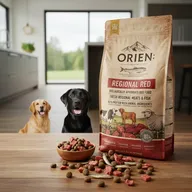
Orijen
Orijen represents the pinnacle of biologically appropriate nutrition with 85% meat, fish, and eggs in their formulas. Their fresh regional ingredients and ultra-high protein content command premium prices but deliver nutrition closest to ancestral canine diets.
Pros
- ✓85% meat, fish, and eggs in formulas
- ✓Fresh regional ingredients
- ✓Biologically appropriate nutrition
- ✓High protein, low carbohydrate
- ✓No artificial preservatives
- ✓Premium ingredient quality
Cons
- ✗Most expensive mainstream brand
- ✗May be too rich for sensitive stomachs
- ✗Grain-free formula DCM considerations

Diamond Naturals
Diamond Naturals delivers surprising quality at budget-friendly prices with real meat proteins, probiotics, and no corn or wheat fillers. Their excellent value proposition makes premium nutrition accessible to cost-conscious owners without compromising on essential quality standards.
Pros
- ✓Excellent value for quality
- ✓Real meat protein sources
- ✓Probiotics and antioxidants included
- ✓No corn, wheat, or fillers
- ✓Made in USA
- ✓Good ratings despite low price
Cons
- ✗Had recall issues in 2012
- ✗Less premium than higher-priced brands
- ✗Limited scientific research backing
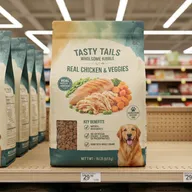
Rachael Ray Nutrish
Rachael Ray Nutrish makes quality nutrition accessible through major grocery stores with real meat as the first ingredient and no by-product meals. Their charitable mission donating proceeds to animal welfare organizations adds feel-good value to affordable quality.
Pros
- ✓Real meat as #1 ingredient
- ✓No by-product meals or fillers
- ✓Affordable pricing
- ✓Wide grocery store availability
- ✓Natural ingredients focus
- ✓Proceeds support animal charities
Cons
- ✗Less scientific backing than vet brands
- ✗Some formulas have pea protein concerns
- ✗Limited specialized health formulas

Pedigree
Pedigree provides the most affordable complete and balanced nutrition meeting AAFCO standards with universal availability. While using lower-cost ingredients like corn and by-products, they deliver basic nutritional needs for budget-conscious owners feeding millions of dogs worldwide.
Pros
- ✓Most affordable major brand
- ✓Extremely wide availability
- ✓Meets AAFCO nutritional standards
- ✓Decades of feeding history
- ✓Good for basic nutrition needs
- ✓Multiple format options
Cons
- ✗Lower quality ingredients than premium brands
- ✗Contains corn, by-products, and fillers
- ✗Less protein than premium options
How We Evaluate Dog Food Brands

Our comprehensive evaluation examines every critical aspect of dog food brands:
Ingredient Quality
We analyze the quality and sourcing of ingredients:
- Protein sources: Whole meats vs. meat meals vs. by-products
- Carbohydrate sources: Whole grains, grain-free alternatives, or fillers
- Fats and oils: Quality sources like chicken fat or fish oil
- Additives: Preservatives, artificial colors, or flavors
- Ingredient transparency: Clear labeling and sourcing information
Nutritional Formulation
We verify professional standards:
- AAFCO compliance: Meets Association of American Feed Control Officials standards
- Life stage appropriateness: Formulas for puppies, adults, seniors
- Nutrient profiles: Protein, fat, carbohydrate balance
- Veterinary involvement: Board-certified nutritionist formulation
- Scientific research: Studies backing formula effectiveness
Brand Reputation and Safety
We examine track record and reliability:
- Recall history: Past safety issues and company response
- Manufacturing standards: Quality control and facility certifications
- Company transparency: Communication and accountability
- DCM concerns: Dilated cardiomyopathy links to grain-free diets
- Veterinary recommendations: Professional endorsements
Value and Accessibility
We compare costs and availability:
- Price per serving: Daily feeding costs for different dog sizes
- Price-to-quality ratio: Value relative to ingredient quality
- Availability: Where products can be purchased
- Product line breadth: Options for different needs
- Specialized formulas: Prescription and therapeutic options
Understanding Dog Food Labels
AAFCO Statements
Look for these critical certifications:
- “Complete and balanced”: Meets all nutritional requirements
- Life stage designation: “For all life stages” or specific stages
- Feeding trial statement: Tested through actual feeding trials
- Nutrient profile statement: Meets AAFCO nutrient profiles
Ingredient Lists
What to look for and avoid:
High-Quality Indicators:
- Named meat as first ingredient (chicken, beef, lamb)
- Whole food ingredients
- Natural preservatives (tocopherols, vitamin E)
- No artificial colors or flavors
Lower-Quality Indicators:
- By-products as primary proteins
- Corn, wheat, soy as first ingredients
- BHA, BHT, ethoxyquin preservatives
- Artificial colors (Blue 2, Red 40, Yellow 5)
Guaranteed Analysis
Understanding minimum standards:
- Crude protein (minimum): Amount of protein in formula
- Crude fat (minimum): Fat content for energy and health
- Crude fiber (maximum): Fiber for digestive health
- Moisture (maximum): Water content (important for comparing dry vs. wet)
Veterinarian-Recommended Brands
The Big Three
Veterinarians consistently recommend these brands:
Purina Pro Plan, Hill’s Science Diet, Royal Canin
Why veterinarians trust these brands:
- Extensive scientific research backing
- Board-certified nutritionist formulation
- Decades of safe feeding trials
- No DCM cases reported
- AAFCO compliant formulations
- Available prescription therapeutic diets
Research-Backed Nutrition
These brands invest heavily in:
- Clinical studies on nutrition and health outcomes
- Feeding trials with real dogs
- Quality control and safety testing
- Ongoing formula improvements based on research
- Veterinary nutritionist oversight
Grain-Free vs. Grain-Inclusive Diets
The DCM Concern
Important information about grain-free diets:
- FDA investigating link between grain-free diets and DCM (dilated cardiomyopathy)
- Most cases involve diets high in peas, lentils, legumes, and potatoes
- No confirmed cases with Purina Pro Plan, Hill’s Science Diet, or Royal Canin
- Grain-free not inherently dangerous but requires informed choice
When to Choose Grain-Free
Consider grain-free if your dog has:
- Diagnosed grain allergy (rare)
- Specific grain sensitivity confirmed by vet
- Veterinarian recommendation for medical reasons
When to Choose Grain-Inclusive
Better choice for most dogs:
- Whole grains provide beneficial nutrients and fiber
- Lower DCM risk
- Often more affordable
- Backed by more extensive research
Special Dietary Needs
Allergies and Sensitivities
Best brands for food sensitivities:
- Limited ingredient formulas: Single protein source
- Novel proteins: Duck, venison, bison instead of chicken or beef
- Hydrolyzed protein diets: Proteins broken down for easier digestion
- Veterinary prescription diets: For diagnosed allergies
Weight Management
Effective weight control formulas feature:
- Reduced calories: 10-30% fewer calories per cup
- High protein: Maintains muscle during weight loss
- Added fiber: Promotes satiety
- L-carnitine: Supports fat metabolism
Sensitive Stomachs
Digestive health support includes:
- Prebiotics and probiotics: Support healthy gut bacteria
- Easily digestible proteins: Chicken, turkey, fish
- Limited ingredients: Reduces potential irritants
- Moderate fiber: Supports regular digestion
Price Categories and Value
Budget Brands ($0.75-$1.50/day)
Examples: Pedigree, Kibbles ‘n Bits, Dog Chow
Pros: Affordable, widely available, AAFCO compliant Cons: Lower quality ingredients, more fillers
Mid-Tier Brands ($1.50-$3/day)
Examples: Diamond Naturals, Rachael Ray Nutrish, Blue Buffalo
Pros: Better ingredients, good value, natural focus Cons: Less research backing than premium brands
Premium Brands ($2-$4/day)
Examples: Purina Pro Plan, Hill’s Science Diet, Royal Canin
Pros: Science-backed, vet recommended, extensive research Cons: Higher cost
Ultra-Premium Brands ($3-$5/day)
Examples: Orijen, Acana, Wellness CORE
Pros: Highest quality ingredients, high protein Cons: Most expensive, may be too rich for some dogs
Frequently Asked Questions
What is the healthiest dog food brand?
The “healthiest” brand depends on your individual dog’s needs. Purina Pro Plan, Hill’s Science Diet, and Royal Canin are most recommended by veterinarians due to extensive research, board-certified nutritionist formulation, and proven safety records.
Are expensive dog foods worth it?
Often yes, but not always. Premium brands typically use higher-quality ingredients and better formulations. However, mid-tier brands like Diamond Naturals offer excellent value. The key is ensuring the food meets AAFCO standards and suits your dog’s specific needs.
Should I choose grain-free dog food?
Only if your dog has a diagnosed grain allergy (which is rare). The FDA is investigating links between grain-free diets and DCM. Most dogs do well on grain-inclusive formulas from reputable brands like Purina Pro Plan or Hill’s Science Diet.
What do veterinarians recommend for dog food?
Veterinarians most commonly recommend Purina Pro Plan, Hill’s Science Diet, and Royal Canin because these brands employ board-certified nutritionists, conduct extensive research, and have no reported DCM cases. All three meet AAFCO standards and offer specialized formulas for health conditions.
How much should I spend on dog food per month?
Budget expectations by dog size:
- Small dogs (10-20 lbs): $20-60/month
- Medium dogs (30-50 lbs): $40-90/month
- Large dogs (70+ lbs): $80-150/month
Premium brands cost more but may result in better health and potentially lower vet bills.
Is Blue Buffalo as good as vets say?
Blue Buffalo offers quality natural ingredients with real meat first and no by-product meals. However, it’s not as frequently recommended by veterinarians as Purina Pro Plan, Hill’s, or Royal Canin due to less scientific research backing and past recall issues.
What dog food has never been recalled?
No major brand has completely avoided recalls over their entire history. However, brands with the best recent safety records include Purina Pro Plan, Hill’s Science Diet, and Royal Canin, with no recent significant recalls and excellent quality control.
Can I mix different dog food brands?
Yes, mixing brands is generally safe as long as both are AAFCO compliant. Some owners rotate proteins or mix wet and dry. Transition gradually over 7-10 days to prevent digestive upset.
What’s the difference between puppy and adult dog food?
Puppy food has higher protein, fat, and calories to support growth, plus increased calcium and phosphorus for bone development. Adult food maintains health without excess growth nutrients. Always feed life-stage appropriate formulas.
How do I switch dog food brands?
Transition gradually over 7-10 days:
- Days 1-3: 75% old food, 25% new food
- Days 4-6: 50% old food, 50% new food
- Days 7-9: 25% old food, 75% new food
- Day 10: 100% new food
This prevents digestive upset during the switch.