Article
Top 10 Best Dental Insurance Companies of 2026
Find affordable dental coverage for cleanings, fillings, crowns, and more. Compare the best dental insurance plans for comprehensive benefits, large provider networks, and competitive pricing.
Dental insurance helps make routine cleanings, fillings, crowns, and major procedures affordable by covering 50-100% of costs depending on the service type. With most traditional plans following a 100-80-50 structure and annual maximums ranging from $750-$2,000, choosing the right plan can save thousands in out-of-pocket dental expenses.
Our team researched coverage options, network sizes, pricing, and customer satisfaction from leading dental insurance companies. Here are the best dental insurance providers for 2026.
Quick Comparison
| Company | Best For | Monthly Rate | Rating |
|---|---|---|---|
| 1. Delta Dental | Best Overall Coverage | $25/mo | ★4.8/5 |
| 2. Guardian Direct | Best for Comprehensive Benefits | $30/mo | ★4.7/5 |
| 3. Spirit Dental | Best No Waiting Periods | $19.61/mo | ★4.6/5 |
| 4. Cigna | Best for Network Flexibility | $19/mo | ★4.6/5 |
| 5. Humana | Best for Large Network | $22/mo | ★4.5/5 |
| 6. Anthem | Best for High Reimbursement | $35/mo | ★4.5/5 |
| 7. Physicians Mutual | Best for Seniors | $30.10/mo | ★4.4/5 |
| 8. Renaissance Dental | Best Value Plans | $20/mo | ★4.3/5 |
| 9. UnitedHealthcare | Best for Employer Plans | $28/mo | ★4.4/5 |
| 10. Ameritas | Best for Orthodontics | $32/mo | ★4.3/5 |
Our Top Picks in Detail
Delta Dental
Delta Dental is the nation's leading dental insurance provider with the largest network and highest annual maximum coverage. Their Premium PPO plan covers 100% of preventive care immediately and 50-80% of basic and major procedures after a six to twelve-month waiting period.
Pros
- ✓Available in all 50 states and DC
- ✓Largest dentist network in US
- ✓Premium PPO plan with $2,000 annual max
- ✓100% preventive care before deductible
- ✓Low complaint rate (NAIC)
Cons
- ✗6-12 month waiting periods for major work
- ✗Can be more expensive than competitors
- ✗Some plans have lower annual maximums
Guardian Direct
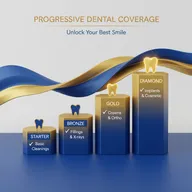
Guardian Direct offers four PPO plan levels providing exceptional flexibility and comprehensive coverage including root canals, crowns, implants, and orthodontics. Their Premier plan covers 60% of major work—among the highest in the industry—with no waiting period for preventive care.
Pros
- ✓Four plan levels (Starter to Diamond)
- ✓60% major work coverage (highest reviewed)
- ✓Premier PPO has no preventive waiting period
- ✓Coverage for implants and braces
- ✓Annual maximums up to $5,000
Cons
- ✗12-month waiting period for major work on some plans
- ✗Higher premiums for comprehensive coverage
- ✗Not available in all states

Spirit Dental
Spirit Dental (part of Ameritas Insurance) eliminates the frustrating waiting periods that plague most dental insurance. Their PPO plans provide immediate coverage for all care types including orthodontics, with annual maximums that can reach $5,000 after three years.
Pros
- ✓No waiting periods for any care
- ✓16 different coverage policies available
- ✓Plans as low as $19.61/month
- ✓Annual maximum increases over 3 years
- ✓Immediate orthodontic coverage
Cons
- ✗Pricing varies significantly by state
- ✗Newer provider (less brand recognition)
- ✗Some plans have lower starting annual maximums
Cigna
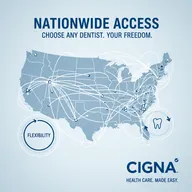
Cigna's flexible DPPO plan lets you visit any dentist without network restrictions, making it perfect for those who want to keep their current provider. With no deductibles for routine care and plans starting at $19 monthly, Cigna balances affordability with flexibility.
Pros
- ✓Choose any dentist (DPPO plan)
- ✓Affordable plans from $19/month
- ✓No deductibles for routine care
- ✓No waiting period for preventive care
- ✓Large network (93,000+ dentists)
Cons
- ✗Lower annual maximums on some plans
- ✗Out-of-network costs can be high
- ✗Some plans have waiting periods for major work
Humana
Humana provides access to the largest dentist network in America with over 335,000 providers. Their six policy options include a veterans-specific plan and budget-friendly choices that cover 100% of preventive care, making quality dental coverage accessible to more families.
Pros
- ✓Largest dentist network (335,000+ providers)
- ✓Six different policy options
- ✓100% preventive care on all plans
- ✓Veterans-specific plan (Bright Plus)
- ✓Budget-friendly options available
Cons
- ✗Lower annual maximums ($1,000-1,500)
- ✗Some plans have limited major coverage
- ✗Best value requires staying in-network

Anthem
Anthem's Essential Choice PPO Platinum plan stands out with its $2,000 annual maximum and higher reimbursement percentages than most competitors. The Platinum plan covers preventive care at 100% immediately, making it ideal for families who want comprehensive dental protection.
Pros
- ✓High annual maximum ($2,000/person)
- ✓Platinum plan pays higher percentages
- ✓100% preventive with no waiting period
- ✓80% basic and 50% major coverage
- ✓Established brand with strong reputation
Cons
- ✗Higher monthly premiums
- ✗Not available in all states
- ✗Some waiting periods for major procedures

Physicians Mutual
Physicians Mutual specializes in dental coverage for seniors with three plans tailored to common needs like dentures, bridges, and crowns. The Economy Plus plan offers affordable premiums starting at $30.10 monthly with no waiting period for preventive care and no deductibles.
Pros
- ✓Three plans designed for seniors
- ✓Economy Plus as low as $30.10/month
- ✓No waiting period for preventive care
- ✓No deductibles required
- ✓No lifetime limits
- ✓Covers dentures, bridges, crowns
Cons
- ✗Lower annual maximums
- ✗Moderate coverage percentages
- ✗Some senior-specific limitations

Renaissance Dental
Renaissance Dental delivers solid value with competitive pricing and standard 100-80-50 coverage structure. While not as well-known as industry giants, Renaissance offers reliable protection at affordable rates for families seeking straightforward dental coverage.
Pros
- ✓Competitive pricing for coverage offered
- ✓100% preventive coverage
- ✓Standard 100-80-50 benefit structure
- ✓Multiple plan options
- ✓Good for budget-conscious families
Cons
- ✗Less name recognition than major brands
- ✗Network size smaller than top competitors
- ✗Limited availability in some states

UnitedHealthcare
UnitedHealthcare excels at employer-sponsored dental plans, offering comprehensive coverage that integrates seamlessly with medical insurance. While individual plans are available, UHC delivers the best value through group employer coverage with extensive networks and solid benefits.
Pros
- ✓Extensive employer-sponsored options
- ✓Large dentist network nationwide
- ✓Integrated with medical coverage
- ✓Strong brand recognition
- ✓Good customer service infrastructure
Cons
- ✗Individual plans more limited
- ✗Best pricing through employers
- ✗Some plans have restrictive waiting periods

Ameritas
Ameritas provides excellent orthodontic coverage with a separate lifetime maximum for braces and other orthodontic work. This makes them the top choice for families with children or adults who need braces, as orthodontic benefits don't eat into your annual maximum for other dental care.
Pros
- ✓Strong orthodontic coverage available
- ✓Lifetime orthodontic maximum (separate from annual)
- ✓Good for families with children needing braces
- ✓Multiple plan tiers available
- ✓100% preventive coverage
Cons
- ✗Orthodontic coverage requires higher-tier plans
- ✗Waiting periods for major work
- ✗Mid-range pricing overall
How We Evaluate Dental Insurance Companies

Our evaluation methodology examines the key factors that determine the best dental insurance:
Coverage Structure and Percentages
We analyze the reimbursement levels:
- Preventive care (100%): Cleanings, exams, X-rays, fluoride
- Basic procedures (80%): Fillings, simple extractions, periodontics
- Major procedures (50%): Crowns, bridges, dentures, root canals
- Orthodontics: Separate coverage (typically 50%) when included
Most traditional plans follow a 100-80-50 structure, but some premium plans offer higher reimbursements.
Annual Maximums
We compare coverage limits:
- Typical range: $750-$2,000 per person per year
- Premium plans: Up to $5,000 annual maximum
- Increasing maximums: Some plans raise limits over time
- Separate orthodontic maximums: Lifetime limits for braces (typically $1,000-$2,000)
The average annual maximum is $1,000-$1,500 for most plans.
Network Size and Access
We evaluate dentist availability:
- Network size: Number of participating dentists
- Geographic coverage: Availability in your area
- Dentist quality: Reputation and ratings of network providers
- Out-of-network options: Flexibility to see non-network dentists
Waiting Periods
We assess time-to-coverage:
- Preventive care: Usually immediate or no waiting period
- Basic procedures: Typically 0-6 months
- Major procedures: Often 6-12 months
- Orthodontics: May require 12-24 months
Plans with shorter or no waiting periods provide better value if you need immediate dental work.
Understanding Dental Insurance Coverage
Types of Dental Services
Dental insurance categorizes services into four tiers:
Preventive (Diagnostic) - Usually covered at 100%:
- Routine cleanings (twice yearly)
- Oral examinations
- X-rays (bitewing and panoramic)
- Fluoride treatments
Basic (Restorative) - Typically covered at 80%:
- Fillings (amalgam and composite)
- Simple extractions
- Periodontal scaling and root planing
- Emergency dental care
Major - Usually covered at 50%:
- Crowns and bridges
- Dentures (partial and full)
- Root canals (endodontics)
- Surgical extractions
- Implants (if covered)
Orthodontics - Typically covered at 50% when included:
- Braces for children and adults
- Retainers
- Orthodontic appliances
- Separate lifetime maximum (usually $1,000-$2,000)
What’s Typically NOT Covered
Standard dental plans usually exclude:
- Cosmetic procedures (whitening, veneers for appearance only)
- Experimental treatments
- Services already in progress when coverage begins
- Replacement of lost or stolen appliances
- Implants (many plans still exclude these)
Key Policy Features
- Annual deductible: Amount you pay before insurance kicks in (typically $50-$100)
- Annual maximum: Most insurance will pay per year ($750-$2,000 typical)
- Waiting periods: Time before certain services are covered
- Pre-authorization: Requirement to get approval for major procedures
- Missing tooth clause: May not cover replacement of teeth lost before coverage began
Employer Plans vs. Individual Plans
Employer-Sponsored Dental Insurance
Advantages:
- Typically 30-50% cheaper than individual plans
- Often no waiting periods
- May include orthodontic coverage
- Group rates based on large risk pool
Average cost: $20-40 monthly for individual coverage, $50-100 for family coverage
Individual Dental Insurance
Advantages:
- Not tied to employment
- Portable between jobs
- Choose your own coverage level
- Direct relationship with insurer
Average cost: $25-60 monthly for individual coverage, $80-150 for family coverage
Dental Discount Plans (Alternative)
Not insurance, but membership programs that offer:
- Discounted rates (10-60% off) from participating dentists
- No waiting periods or annual maximums
- No claim forms required
- Lower monthly fees ($5-20 typical)
Best for: People who need immediate major work or don’t qualify for traditional insurance.
Frequently Asked Questions
How much does dental insurance cost?
Individual dental insurance typically costs $25-60 monthly, while family coverage runs $80-150 monthly. Employer-sponsored plans are usually 30-50% cheaper. Your actual cost depends on coverage level, network type, and your location.
Is dental insurance worth it?
If you visit the dentist twice yearly for cleanings and exams, you’ll likely break even or save money. Dental insurance becomes especially valuable if you need major work like crowns or root canals, which can cost $800-2,000 out-of-pocket versus $400-1,000 with insurance.
What is the difference between PPO and HMO dental plans?
PPO plans let you visit any dentist (paying less in-network) without referrals. HMO plans require you to choose a primary dentist from the network and get referrals for specialists, but typically have lower premiums and no deductibles.
Why do dental plans have waiting periods?
Waiting periods prevent people from buying insurance only when they need expensive work, then canceling afterward. This keeps premiums affordable for everyone. Preventive care usually has no waiting period, while major work may require 6-12 months.
How do annual maximums work?
The annual maximum is the most your insurance will pay per year (typically $1,000-$2,000). Once you hit this limit, you pay 100% of additional costs until the next calendar year. Preventive care often doesn’t count toward this maximum.
Can I use dental insurance immediately?
Preventive care (cleanings, exams) is usually available immediately. Basic procedures may have 0-6 month waiting periods, while major work often requires 6-12 months. Some plans like Spirit Dental offer immediate coverage for all services.
What’s better: dental insurance or a discount plan?
Traditional insurance is better if you need routine preventive care and potential major work over time. Discount plans work better if you need immediate expensive procedures or don’t qualify for regular insurance, as they have no waiting periods but also no coverage—just discounted rates.