Article
Best Credit Cards for Bad Credit in 2026 - Rebuild Your Score
Find the best credit cards for bad credit to rebuild your score. Compare secured and unsecured options with low fees, rewards, and paths to better credit in 2026.
Bad credit doesn’t mean you can’t access credit cards. Whether you’re rebuilding after financial setbacks or establishing credit for the first time, secured and specialized unsecured cards offer a path to better credit while providing the convenience of a credit card.
Our team analyzed over 50 credit cards for bad credit, comparing fees, deposit requirements, rewards, and graduation opportunities to find the best options for rebuilding your credit in 2026.
Quick Comparison
| Card | Best For | Annual Fee | Rating |
|---|---|---|---|
| 1. Discover it® Secured Credit Card | Best Overall for Bad Credit | $0 | ★4.9/5 |
| 2. Capital One Platinum Secured | Best Low Deposit Option | $0 | ★4.7/5 |
| 3. U.S. Bank Secured Visa® Card | Best for Higher Credit Limits | $0 | ★4.6/5 |
| 4. Chime Credit Builder Visa® | Best No Credit Check Option | $0 | ★4.5/5 |
| 5. OpenSky® Plus Secured Visa® | Best for Guaranteed Approval | $35 | ★4.4/5 |
| 6. Petal® 2 Visa® Credit Card | Best Unsecured for Fair/Poor Credit | $0 | ★4.6/5 |
| 7. OneMain Financial BrightWay® Card | Best Unsecured with Guaranteed Limit | $0-$89 | ★4.5/5 |
| 8. Tilt Motion Visa® Credit Card | Best for Alternative Approval | $0 | ★4.4/5 |
| 9. Surge® Mastercard® | Best for Very Poor Credit | $75-$99 | ★4.2/5 |
| 10. Self Visa® Credit Card | Best for Building Savings Too | $25 | ★4.3/5 |
Our Top Picks in Detail
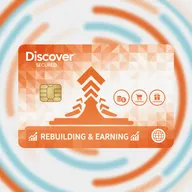
Discover it® Secured Credit Card
Discover it Secured is the only secured card offering genuine cash back rewards. The first-year Cashback Match effectively gives you 4% on rotating categories and 2% everywhere else—exceptional value while building credit.
Pros
- ✓2% cash back at gas stations and restaurants (up to $1,000/quarter)
- ✓First-year Cashback Match doubles all rewards
- ✓No annual fee
- ✓Minimum $200 security deposit
- ✓Automatic reviews for graduation to unsecured
Cons
- ✗Requires refundable security deposit
- ✗High variable APR
- ✗Quarterly activation required for 2% categories
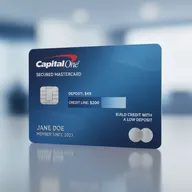
Capital One Platinum Secured
Capital One Platinum Secured offers the lowest entry barrier with deposits starting at just $49. You'll be automatically considered for credit line increases and graduation to an unsecured card with responsible use.
Pros
- ✓Deposit as low as $49 for $200 credit line
- ✓Potential credit line increases with no additional deposit
- ✓No annual fee
- ✓Automatic consideration for unsecured card
- ✓Free CreditWise credit monitoring
Cons
- ✗No rewards program
- ✗Very high APR
- ✗Deposit amount varies by applicant

U.S. Bank Secured Visa® Card
U.S. Bank Secured stands out for offering credit limits up to $3,000—far higher than most secured cards. This makes it ideal if you need more spending capacity while rebuilding your credit.
Pros
- ✓Credit limits up to $3,000 (with matching deposit)
- ✓No annual fee
- ✓$300 minimum deposit
- ✓Lower APR range than many secured cards
- ✓Potential upgrade path to unsecured card
Cons
- ✗Higher minimum deposit ($300)
- ✗No rewards program
- ✗Requires larger deposit for higher limits

Chime Credit Builder Visa®
Chime Credit Builder doesn't check your credit and charges no interest or fees. It's perfect for those with very poor credit or no credit history who want to build credit through everyday spending without risk.
Pros
- ✓No credit check required
- ✓No interest charges (secured by deposits)
- ✓No annual fee or hidden fees
- ✓Builds credit with everyday purchases
- ✓Integrates with Chime checking account
Cons
- ✗Requires Chime checking account
- ✗No traditional rewards program
- ✗Credit limit based on deposits made
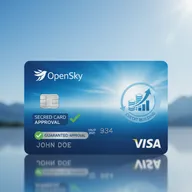
OpenSky® Plus Secured Visa®
OpenSky Plus requires no credit check at all, making approval virtually guaranteed regardless of credit history. The addition of 1% cash back is rare for a no-credit-check secured card.
Pros
- ✓No credit check—guaranteed approval
- ✓Earn 1% cash back on all purchases
- ✓Reports to all three credit bureaus
- ✓Minimum $200 deposit
- ✓Can upgrade to unsecured OpenSky card
Cons
- ✗$35 annual fee
- ✗Requires refundable deposit
- ✗High APR

Petal® 2 Visa® Credit Card
Petal 2 is one of the few unsecured cards available to those with poor credit. It uses alternative underwriting that considers income and banking data, not just credit score, making approval more accessible.
Pros
- ✓No security deposit required (unsecured)
- ✓Up to 1.5% cash back on eligible purchases
- ✓No annual or foreign transaction fees
- ✓Alternative underwriting considers income and spending
- ✓Credit line increases available
Cons
- ✗Wide APR range depending on creditworthiness
- ✗Lower initial credit limits
- ✗Cash back requires on-time payments

OneMain Financial BrightWay® Card
BrightWay offers a guaranteed $300 unsecured credit line to approved applicants, making it accessible for poor credit. The 1% cash back is a bonus while you rebuild your credit history.
Pros
- ✓$300 guaranteed starting credit limit (unsecured)
- ✓Earn 1% cash back on all purchases
- ✓No security deposit required
- ✓Reports to all three bureaus
- ✓Potential for credit line increases
Cons
- ✗Annual fee up to $89 (varies by applicant)
- ✗High APR range
- ✗Lower credit limit than some options

Tilt Motion Visa® Credit Card
Tilt uses advanced alternative underwriting that evaluates over 250 financial health signals beyond credit score. This makes it accessible to more applicants while offering unsecured credit and rewards.
Pros
- ✓No deposit required (unsecured)
- ✓No annual fee
- ✓Alternative underwriting considers 250+ data points
- ✓Cash back rewards at select merchants
- ✓Transparent credit limit growth tracking
Cons
- ✗Credit limits typically lower initially
- ✗Rewards limited to specific merchants
- ✗Newer card with less track record
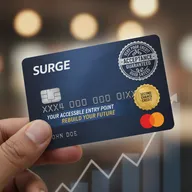
Surge® Mastercard®
Surge accepts applicants with very poor credit when others won't. While fees are high, it provides unsecured credit without a deposit, helping you rebuild credit through responsible use.
Pros
- ✓Accepts very poor credit
- ✓Unsecured card (no deposit)
- ✓$300-$1,000 initial credit line
- ✓Reports to all three credit bureaus
- ✓Monthly reporting helps rebuild credit
Cons
- ✗High annual fee ($75-$99)
- ✗Very high APR
- ✗No rewards program

Self Visa® Credit Card
Self's secured card is unique in that it's backed by your Self credit builder savings account. You build credit and savings simultaneously—a powerful combination for financial recovery.
Pros
- ✓No interest charges (secured by savings)
- ✓Builds credit while building savings
- ✓Reports to all three bureaus
- ✓Low $25 annual fee
- ✓Flexible deposit amounts
Cons
- ✗Requires linking to Self credit builder account
- ✗No rewards program
- ✗Annual fee required
How We Evaluate Credit Cards for Bad Credit

Our expert team uses a comprehensive methodology to evaluate credit cards for bad credit. Here’s what we analyze:
Accessibility and Requirements
We assess how easy it is to qualify:
- Credit score requirements: Minimum scores accepted
- Deposit requirements: Amount needed for secured cards
- Credit check policies: Whether hard inquiry is required
- Alternative underwriting: Use of income, banking data, etc.
- Approval odds: Historical approval rates for applicants
Fees and Costs
We calculate the total cost of credit building:
- Annual fees (ranging from $0 to $99)
- Security deposit requirements ($49 to $3,000)
- Monthly maintenance fees
- Transaction fees
- Total first-year cost vs. value
Credit Building Features
We evaluate tools that help improve credit:
- Reporting to all three credit bureaus (Experian, Equifax, TransUnion)
- Automatic account reviews for upgrades
- Credit limit increase opportunities
- Path to graduation to unsecured cards
- Credit monitoring and education tools
Rewards and Benefits
We identify extra value beyond credit building:
- Cash back programs (rare on secured cards)
- Purchase protections
- Fraud monitoring
- Mobile app functionality
Frequently Asked Questions
What is a secured credit card?
A secured credit card requires a refundable security deposit (typically $200-$500) that serves as your credit limit. If you make payments responsibly, the deposit stays in a savings account. If you default, the issuer uses the deposit to cover the balance. Secured cards are easier to qualify for with bad credit.
Will I get my security deposit back?
Yes, you’ll receive your full deposit back when you close the account in good standing or when you graduate to an unsecured card. Some issuers automatically review accounts and upgrade them to unsecured after 6-12 months of responsible use, returning your deposit.
How long does it take to rebuild credit?
With consistent on-time payments, you can see meaningful credit score improvements in 3-6 months. Most people with bad credit see significant recovery within 12-18 months of responsible credit card use, including keeping balances low (under 30% utilization) and never missing payments.
Should I get a secured or unsecured card for bad credit?
Secured cards are generally better for bad credit because they offer lower fees, better approval odds, and often superior terms. Unsecured cards for bad credit typically charge high fees and APRs. However, if you cannot afford a deposit, an unsecured option like Petal or Tilt may be your best choice.
Can I upgrade to a better card later?
Yes. Many secured cards offer automatic reviews and graduation to unsecured cards after 6-12 months of on-time payments. Even if automatic upgrade isn’t available, consistent responsible use will improve your credit score, making you eligible for better cards after 12-18 months.
What credit score is considered bad credit?
Bad credit generally means a FICO score below 580 or a VantageScore below 600. Fair credit is 580-669 (FICO) or 600-660 (VantageScore). Most secured cards accept applicants with bad credit, while unsecured cards typically want fair credit or better.
How can I maximize credit building?
Follow these best practices: (1) Always pay on time—payment history is 35% of your score. (2) Keep balances below 30% of your limit—ideally under 10%. (3) Use the card regularly for small purchases. (4) Pay in full each month to avoid interest. (5) Never close your oldest card, as credit age matters.